In brief
Apparel sold in the United States, Canada and Mexico falls under three labeling regimes. All three generally expect fiber content, country of origin and an identified company, but Canada requires fiber content in English and French, Mexico requires Spanish under NOM-004, and care labels are mandatory in the US but voluntary in Canada. SBS Fashion partners with brands in the United States and welcomes apparel companies across North America.
Why this lands on the production team
Labels get treated as a line at the bottom of the tech pack. Then a Canadian account asks where the French is, or a broker in Mexico asks for the importer’s RFC. By then the goods are sewn, and relabeling at destination adds cost and days to goods that were ready to sell.
This is a working summary for planning, and it is not legal advice. The rules change and they have exceptions, so confirm current requirements with your counsel or customs broker before you print.
United States
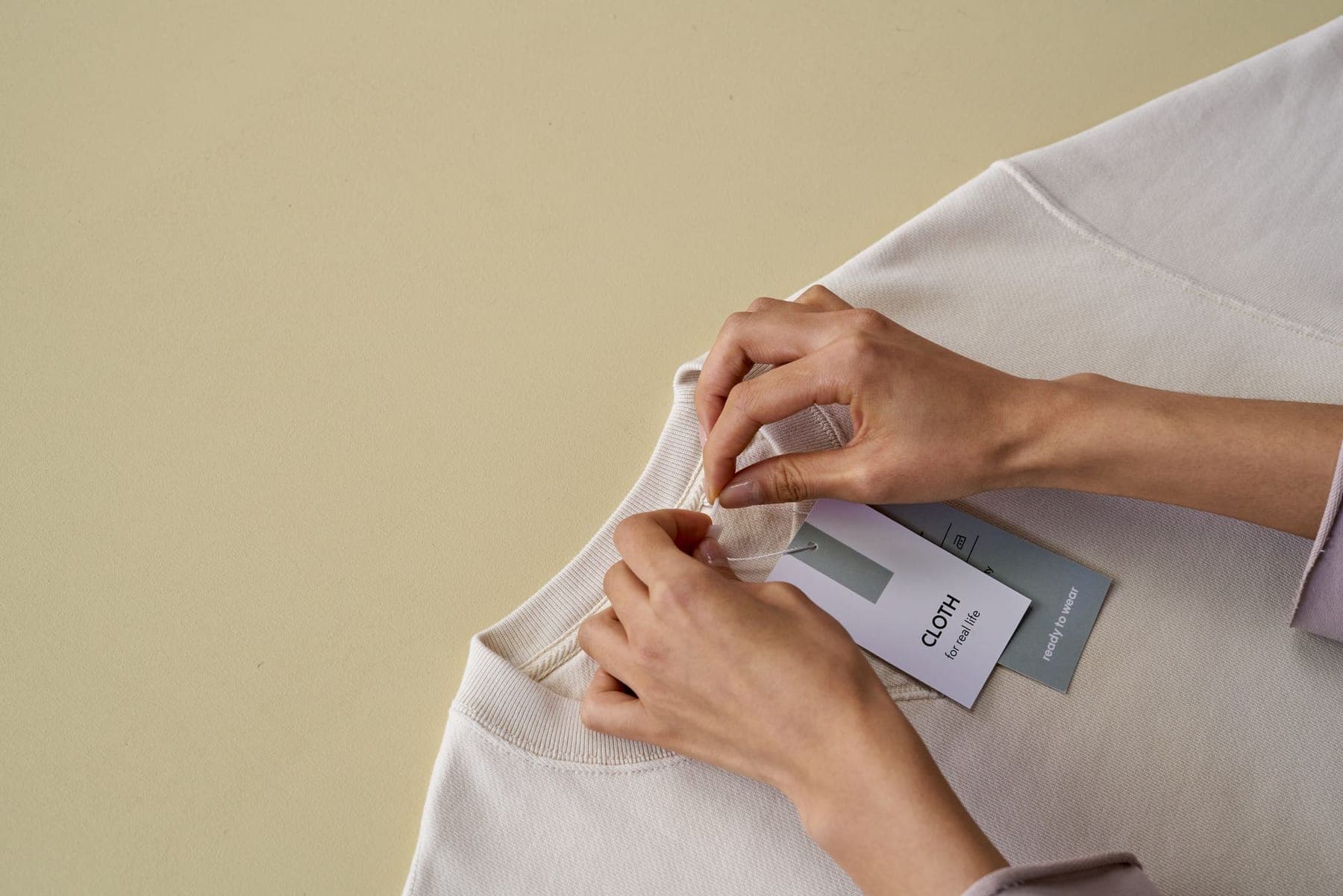
The Federal Trade Commission enforces the Textile Fiber Products Identification Act, the Wool Products Labeling Act and the Care Labeling Rule. Most apparel needs generic fiber names by percentage, the country of origin, and the identity of the manufacturer, importer or other company handling the product, by name or by an RN number issued by the FTC. On garments with a neck, origin goes at the inside center of the neck, midway between the shoulder seams or next to another label there.
Care instructions are required on most apparel and must stay attached and legible for the life of the garment. Origin trips people up. For most sewn garments it follows the country of assembly, though knit-to-shape goods and some other categories follow different rules. “Made in USA” is a much higher bar than most brands assume.
Canada
Canada’s Textile Labelling Act, administered by the Competition Bureau, requires fiber content in both English and French, plus dealer identity: a full name and postal address, or a CA identification number. CA numbers go only to Canadian businesses, so a brand without one shows its name and mailing address. An American RN is neither of those. Care labels are voluntary in Canada, though brands commonly include them, and imported clothing generally has to show its country of origin under the customs marking regulations.
Québec adds a layer, with a language law that sets requirements for inscriptions on products and packaging. If your Canadian account sells there, raise it at the start.
Mexico
Mexico’s standard for textile and apparel labeling is NOM-004, currently NOM-004-SE-2021. The information has to appear in Spanish. It covers fiber content by percentage using Spanish generic names, size, care instructions, country of origin, and the brand, plus the name, fiscal address and RFC of the manufacturer or, for imports, the importer.
Some of this must be permanent and some may sit on a hangtag or sticker, so have your importer confirm which is which. Compliance can be checked at import, where a wrong label can hold up the shipment.
USMCA will not solve this
A free trade agreement doesn’t simplify any of this. USMCA deals with duty and origin, and it does not give you a common label. Its apparel rules of origin are also strict, generally yarn-forward. Goods cut and sewn in Türkiye, Vietnam or China won’t qualify for preferential treatment by passing through a member country on the way to the customer.
Two ways to plan it
If a style will sell in more than one of these markets, you have two workable options. One label or booklet can carry English, French and Spanish fiber content with care symbols, the origin and each market’s company identifiers, which keeps stock interchangeable at the price of a bulkier label. Or you run separate labels by destination, which gives you a smaller label and locks each carton to one market. Decide with your planning team, since the choice limits how you can move stock later.
Either way, put label content in the tech pack and order labels on the same calendar as other trims. Test fiber content instead of relying on the mill’s declaration. The percentage on the label is your legal statement and nobody else’s.