In brief
Overseeing overseas apparel production takes people close to the factory, one accountable point of contact and an agreed reference for what correct looks like. At SBS Fashion, bulk runs with trusted manufacturing partners and is overseen by our teams on the ground, with offices in Türkiye, Vietnam and China and a headquarters in New York.
The first morning of a run
On the first morning of a production run, a shade that has drifted between dye lots is a phone call. Three weeks later, with the goods cut, sewn and packed, the same drift is a choice between rework, a discount and a missed delivery window, and someone in your company will spend a month explaining whichever you picked.
Time zones add to it. When it is early afternoon on a floor in Vietnam, New York is asleep. A supervisor with a question about a trim substitution can stop the line or make the call, and nearly all of them make the call in favor of output. You find out later, if at all.
An ordinary day
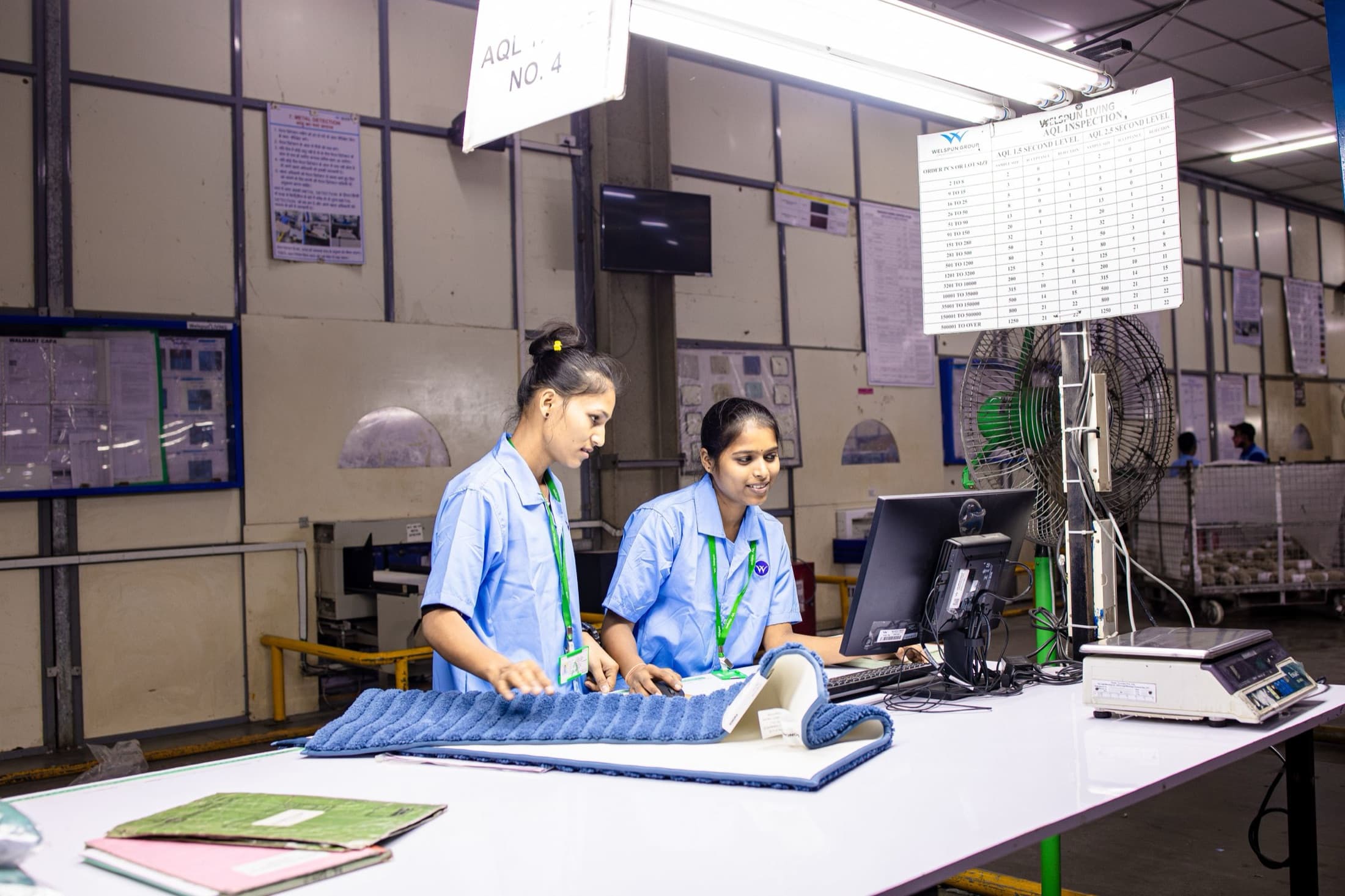
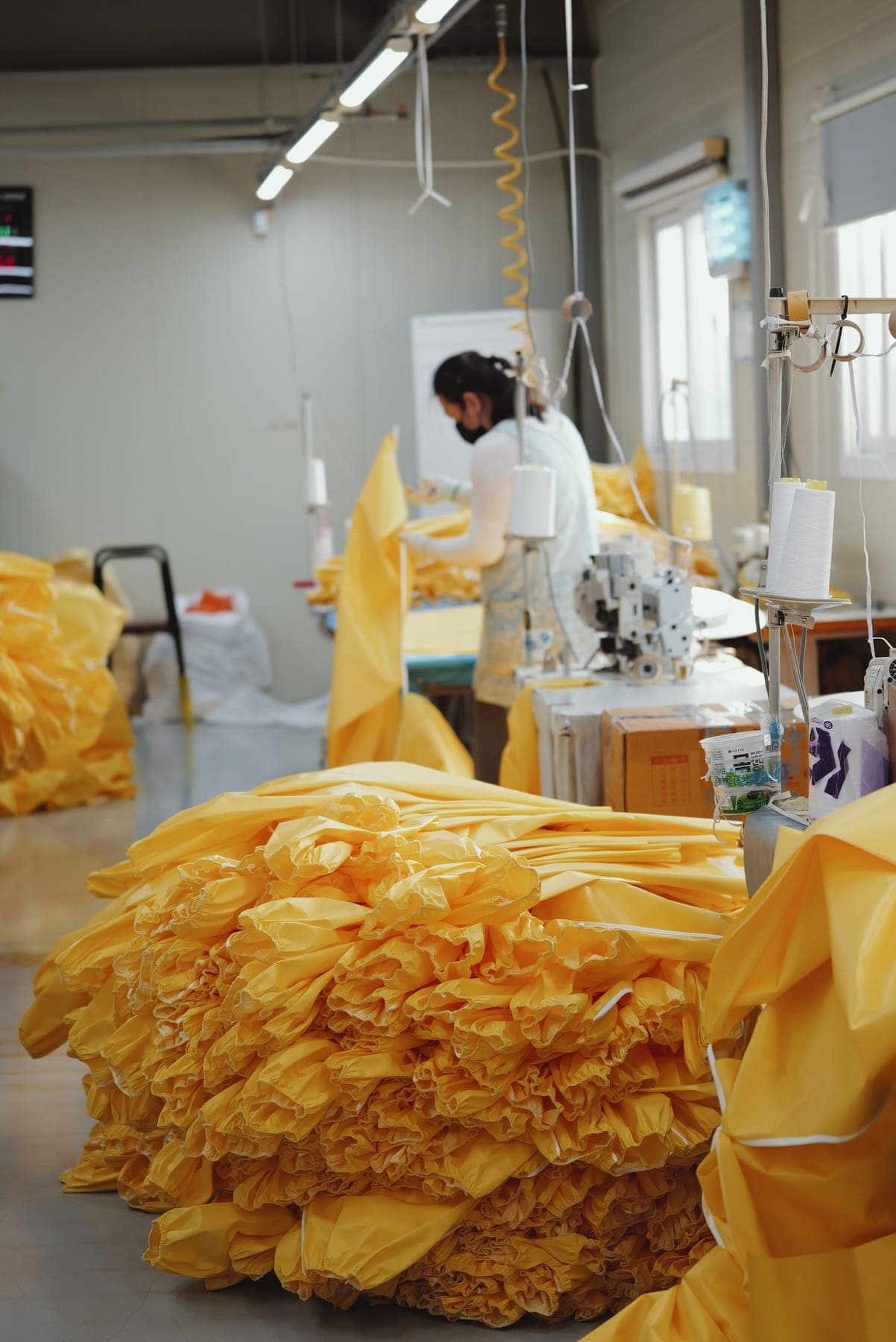
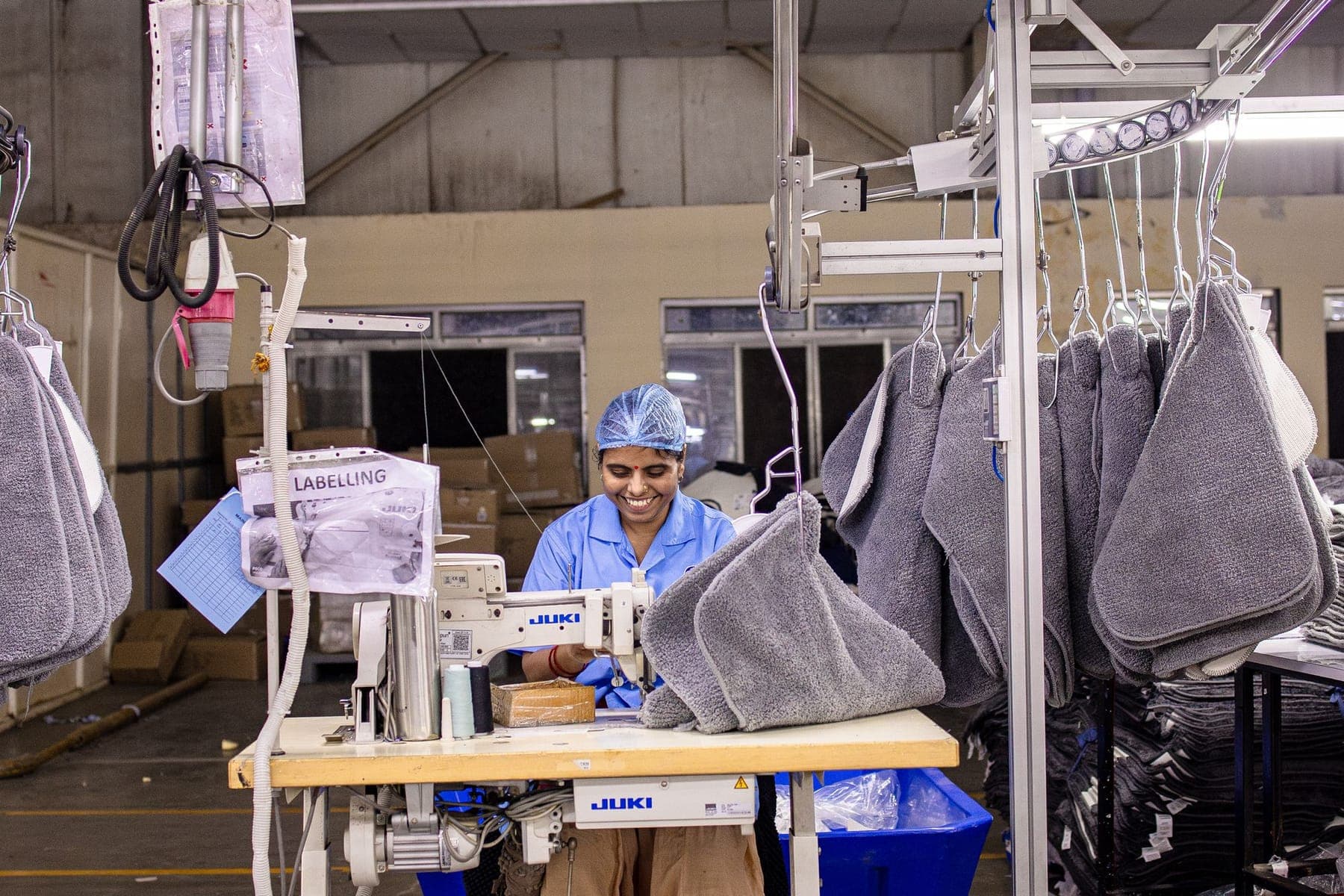
Whoever does it, someone walks the cutting room and checks that rolls are being laid up in the agreed shade groups. Someone pulls a bundle from the middle of the line, since the garments at the end of the table are the ones everybody expected you to look at. They read the daily output sheet against what they can see with their own eyes. They notice when a style has moved to a line that wasn’t on the plan, or when a subcontractor’s van is in the yard.
It takes somebody who knows what normal looks like in that particular factory, who can raise a problem with a supervisor in the supervisor’s own language, and who has a direct line to the person in your office who can make a decision. Remove any one of those three and you are paying for reports.
Four moments
Experienced production teams watch the same four moments, whatever they call them.
The first comes before anything is cut. Bulk fabric and trims are in house and approved, and there is a pre-production sample made from those actual materials. Hold a pre-production meeting with the line supervisor and the factory’s quality lead, with the sample on the table, and ask them where they expect trouble. If a factory wants to cut before that sample is signed, ask why. You will probably find a calendar problem that has just become yours.
Second, the first finished pieces off the line, pulled within a day or two of sewing. They show whether the operators are sewing the garment you approved or a version simplified to make rate. Correct it here with a conversation. Good factories bring you those pieces before you ask.
They notice when a style has moved to a line that wasn’t on the plan, or when a subcontractor’s van is in the yard.
Third, a mid-production check on pace as much as quality. Compare daily output with the ship date and do the arithmetic yourself. A line that has to double its output in the last week will miss the date, or make it with a quality problem.
Fourth, final inspection, when the order is finished and most of it is packed. What it should cover has its own article. After that come carton marks, packing lists and shipping documents, all dull until one disagrees with the purchase order and a distribution center refuses the delivery.
Who is sewing your goods
Knowing who is sewing your goods stopped being only a quality question on April 24, 2013, when the Rana Plaza building collapsed in Bangladesh and killed more than 1,100 garment workers, and brands faced questions about whether their orders had been inside, with some answers changing once labels were found in the rubble. Know which building your order is in. Have someone in a position to check.
Five questions for any production partner
- Who will physically be near the factory during my order, and who do they report to?
- Who is my single point of contact, and what hours do they keep?
- Which sample, spec and revision is the reference for this order, and where is it kept?
- When a problem turns up, who decides what happens, and how soon do I hear about it?
- Which factory will make this order, and will any step leave that building?
A partner who answers those quickly and specifically has been asked before.