In brief
An SBS Fashion program moves through six stages: vision, fabric, sample, production, quality control and shipment. Vision, sampling and bulk production run as a single program with one point of contact, and goods are inspected against the approved sample and spec before they are released to ship.
Why one program
A garment passes through a mill, a dye house, a sample room, a cutting room, a sewing line, often a laundry, an inspector, a forwarder and a customs broker before it reaches a store. A brand that manages each of those relationships separately spends its week carrying information from one to the next. Some of it gets dropped. The fit comment doesn’t reach the line supervisor. The fabric substitution first appears at final inspection, in a report addressed to someone on vacation.
A single partner who understands fabric, fit, factories and freight can protect a collection’s intent all the way to the shop floor. That is the role we have played for over thirty years. Vision, sampling and bulk production move as a single program, and you always have one point of contact.
Stage one: vision
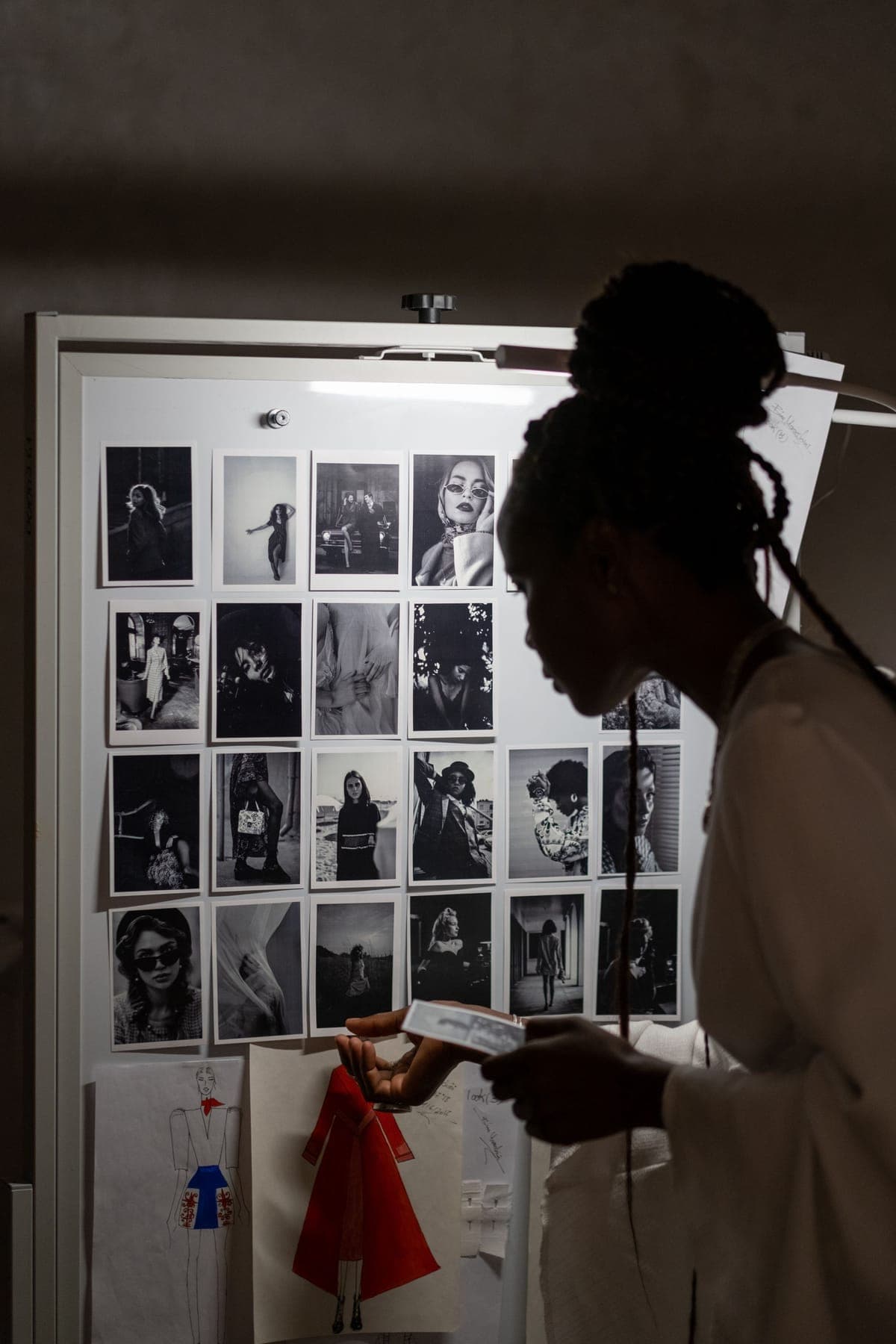
We start with your brand, your customer and the line you want to build, and translate it into a brief the supply chain can execute.
A mood board will carry a design meeting. A mill can’t quote from it. “A soft, mid-weight knit for a premium men’s polo, retailing at $98” gives everyone further down the chain something to price and something to refuse, and you want the refusals early.
Stage two: fabric
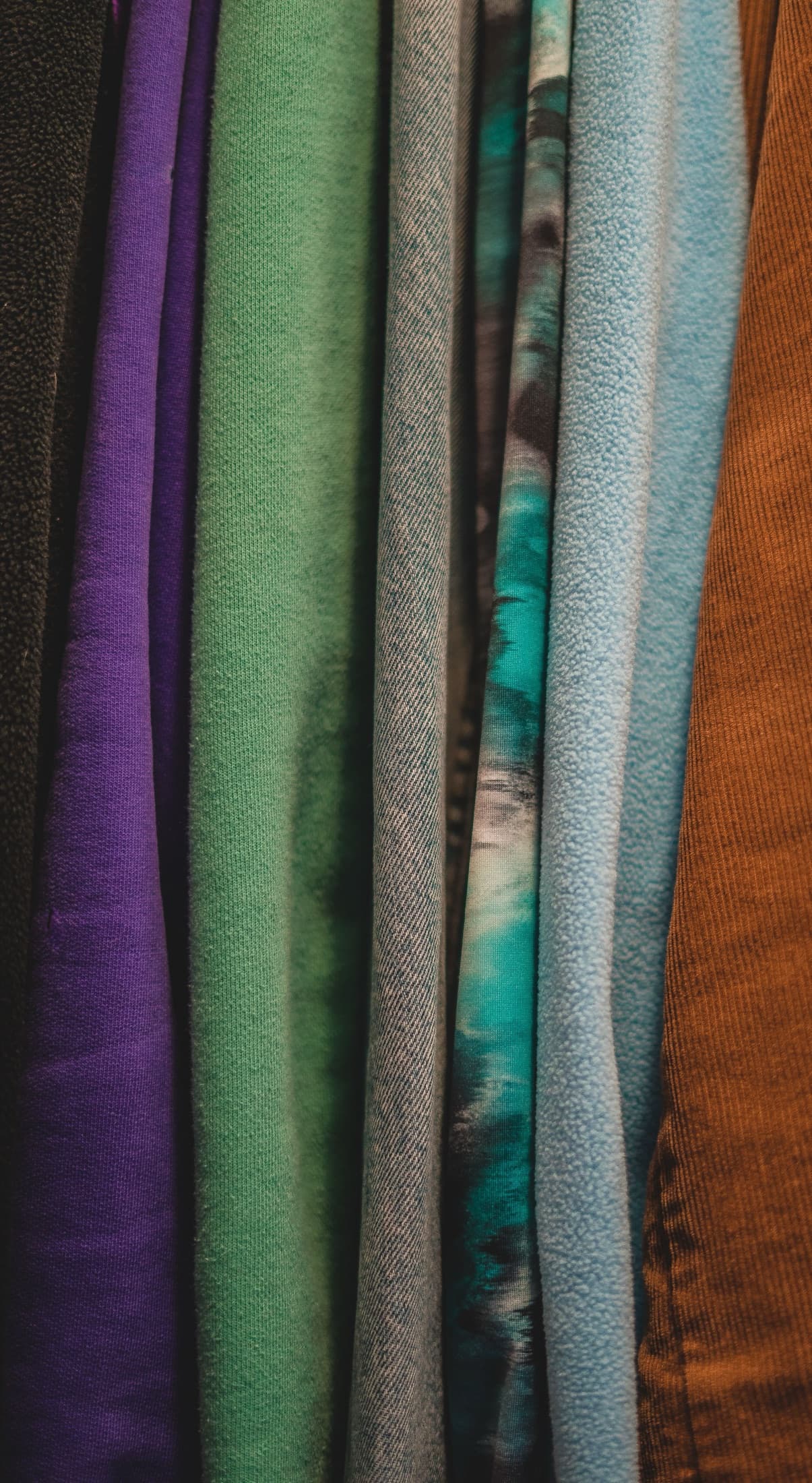
Fabric development runs with our mill network, across trend fabrics, available stock, prints, denim, lace and knits. We bring the right handle, weight and finish to the table early, when it can still shape the design.
Fit, cost and wash behavior all follow from this decision. So does a good part of the calendar, since a stock fabric and a developed fabric run on very different clocks. There is more on this in why fabric comes first.
Stage three: sample
Prototypes and samples are developed across categories and refined through fittings until they are ready to approve. Patterns, fittings, revisions and approvals sit inside one program, and your team follows a single line of progress instead of a dozen vendor threads.
The approved sample matters long after the fitting room. It becomes the reference finished goods are inspected against, which makes the last approval of a tired season the one to slow down for.
Stage four: production
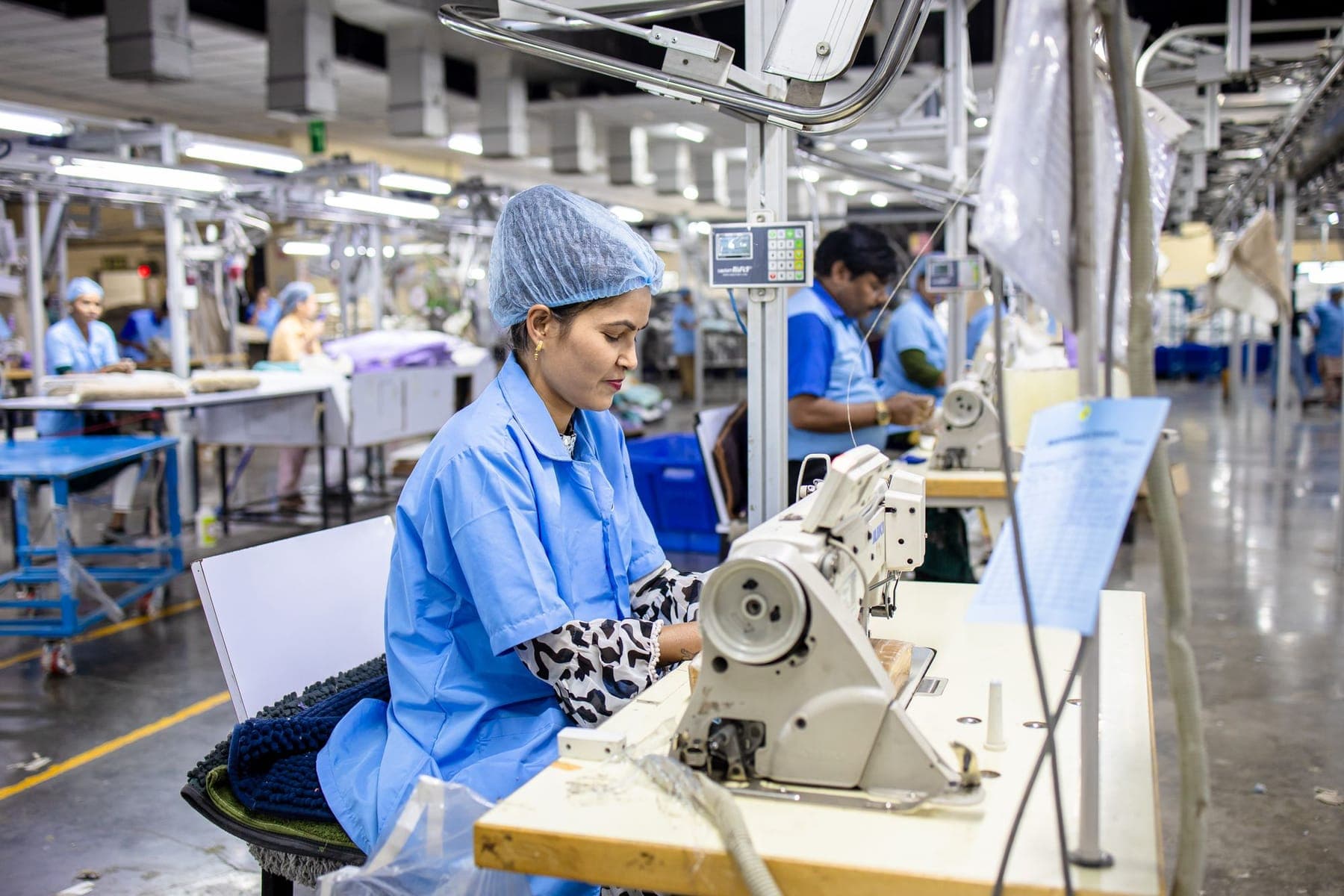
Bulk runs with trusted manufacturing partners, overseen by our teams on the ground. Partners are vetted and matched to each program, and our teams in Türkiye, Vietnam and China sit next to the production. We have written separately about what oversight involves.
Stage five: quality control
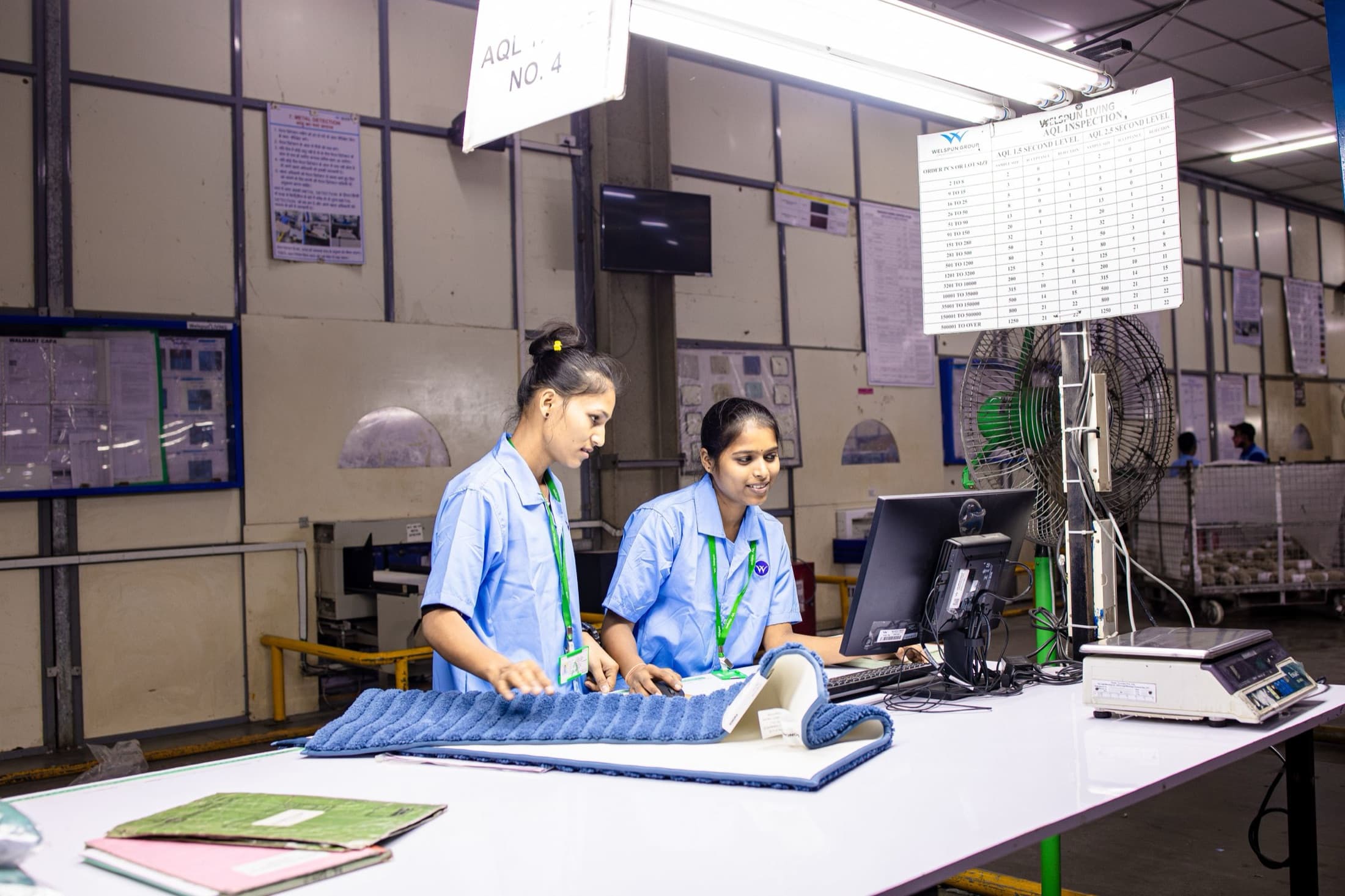
Goods are inspected against the approved sample and spec, covering measurements, workmanship and finish, before they are released to ship. Settle the terms of that inspection before the cut. Arguing about tolerances with the cartons already sealed gets you a discount at best.
Stage six: shipment
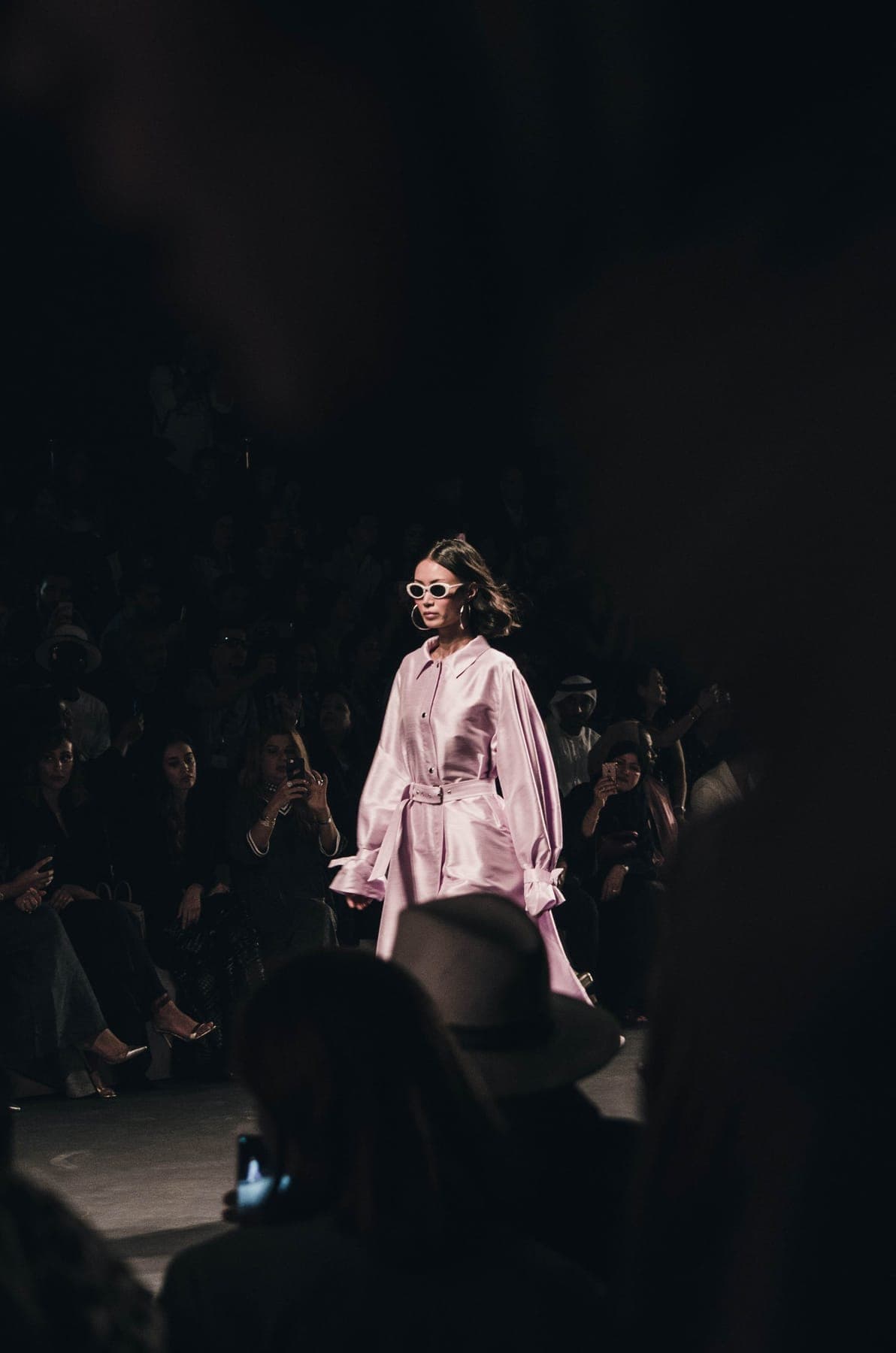
Final shipment of merchandise is coordinated from New York so the collection lands when it should.
Every delay from the five earlier stages comes due here, and retailers don’t move a delivery window because a mill ran late in the spring. It pays to build the calendar backward from the in-store date before any of this starts.
Ex-factory is the date most vendors quote and the one least useful to you. Between the factory gate and your distribution center sit consolidation, the vessel cutoff, the ocean leg, the customs entry and the inland truck, and any of them can move. Ask for the in-DC date and manage to that.