In brief
Embroidered lace is made by stitching a design onto a base fabric, while raschel lace is warp-knitted on raschel machines, often with stretch yarns. Embroidery tends to suit richer ready-to-wear and occasion pieces, and raschel suits lingerie, intimates and stretch applications. SBS Fashion is the North America agent for Antik Dantel and the North and South America agent for Lila Lace and Fabric.
Two processes under one word
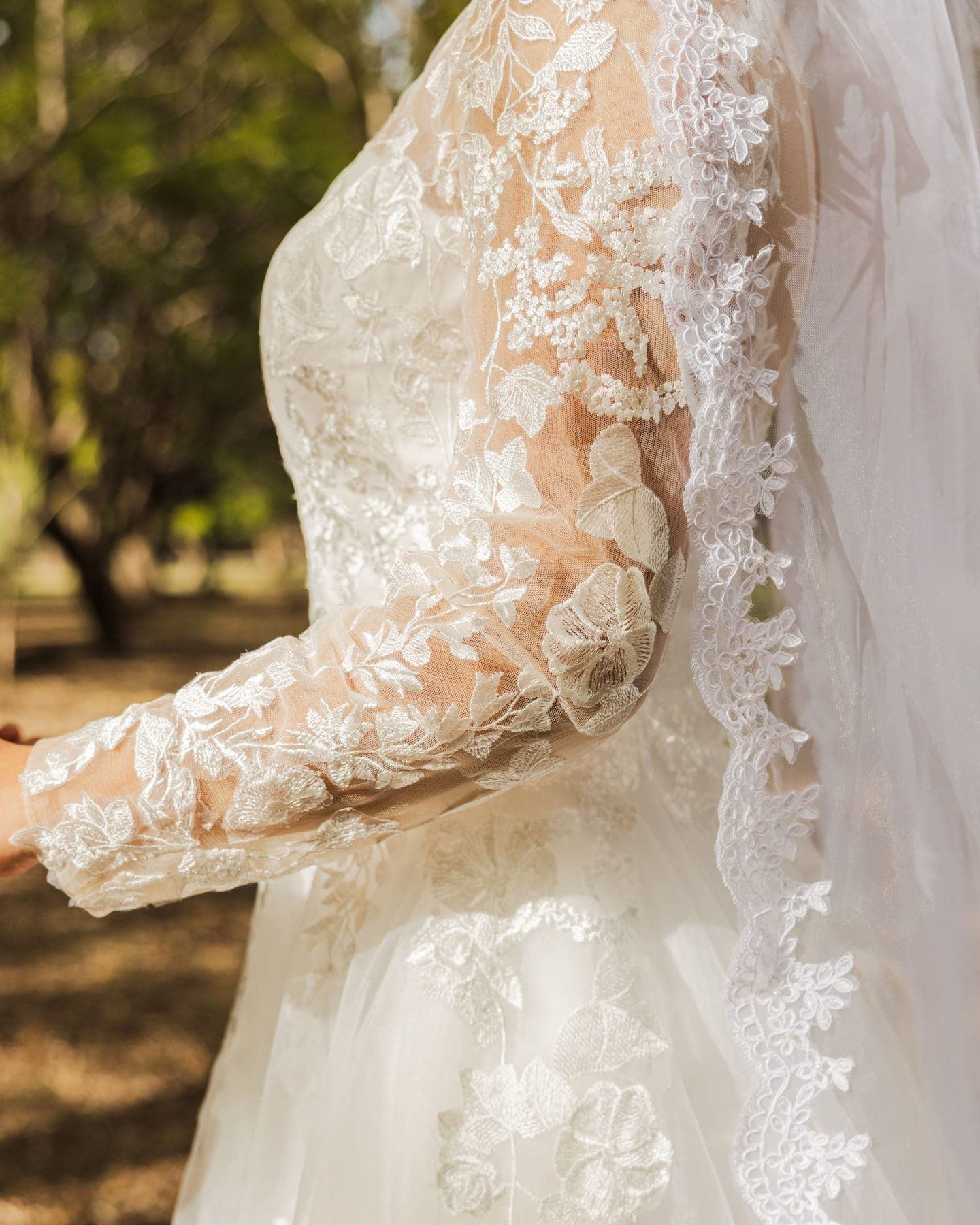
Embroidered lace begins with a base, usually a net, tulle or other fabric, onto which machines stitch the pattern. The base can stay visible or, in chemical lace, be dissolved so that only the stitching remains. The result has weight and dimension, with raised motifs and a clear sense of handwork, and its cost climbs with the stitch count.
Raschel lace is a warp knit, made on a raschel machine where the yarns interloop to form a single fabric. It runs quickly in long lengths, takes elastane for stretch and holds very fine detail consistently at volume. It is the workhorse of lingerie, and it has become good enough to turn up in ready-to-wear. Karl Mayer, the German machine builder, is among the best-known names in the field.
Leavers lace, the traditional bobbin process, sits at the top of the market as a third family, and many raschels are designed to suggest its look at a fraction of the price.
Which belongs where
For a garment that has to move with the body and hold its shape, a raschel with elastane is the usual answer: bras, briefs, bodysuits, swim and active trims. For a dress, a blouse or an occasion piece with structure, embroidered lace gives a depth that reads from across a room. Those categories overlap more than they used to, and a rigid raschel makes a perfectly good ready-to-wear fabric at a price embroidered lace can’t reach.
Decide what you need from the lace before you look at swatches. Ask about stretch and recovery, whether it will touch skin and how many wash cycles the garment has to survive. A stiff embroidered motif against the skin can look wonderful and feel awful.
Where lace programs trip up
Color comes first. Many laces are made from more than one fiber, and nylon, cotton and elastane take dye differently. You can end up with a lace that doesn’t dye evenly, or doesn’t match the jersey or satin beside it. Ask for dip results on the lace and the base fabric together, and look at them under more than one light.
Then format. Lace comes as allovers, galloons scalloped on both edges, edgings and insertions, and each cuts differently. A large repeat burns through yardage when you try to place it symmetrically on a garment, and an engineered placement at a neckline or hem can multiply your consumption. Cost the garment on a real marker with the actual lace, and don’t borrow a figure from a similar style.
Finally the sewing. Scalloped edges can need appliqué by hand or on specialist machines, and stretch lace needs tension settings suited to it. Look at the seam finishes on a factory’s current production as well as on the sample they send you.
Stock or exclusive
Most lace mills keep an archive of patterns, and buying an existing design is the quickest route, with less commitment and the chance to see the real article first. Another brand can buy it too. An exclusive pattern means drawing and machine setup and usually a meaningful minimum, and it suits styles you expect to run for a while.
A common middle ground is to take an existing design and dye it to your own color story. Ask where the mill stands on exclusivity by market and by season, and get the answer in writing.