In brief
Fabric should come into apparel development early because handle, weight and finish shape a garment’s design, fit and cost. At SBS Fashion, fabric research and development runs with mills across categories, from printed fashion fabrics to premium denim, lace and knits, and we bring options to the table while they can still shape the design.
Every late change costs a fitting
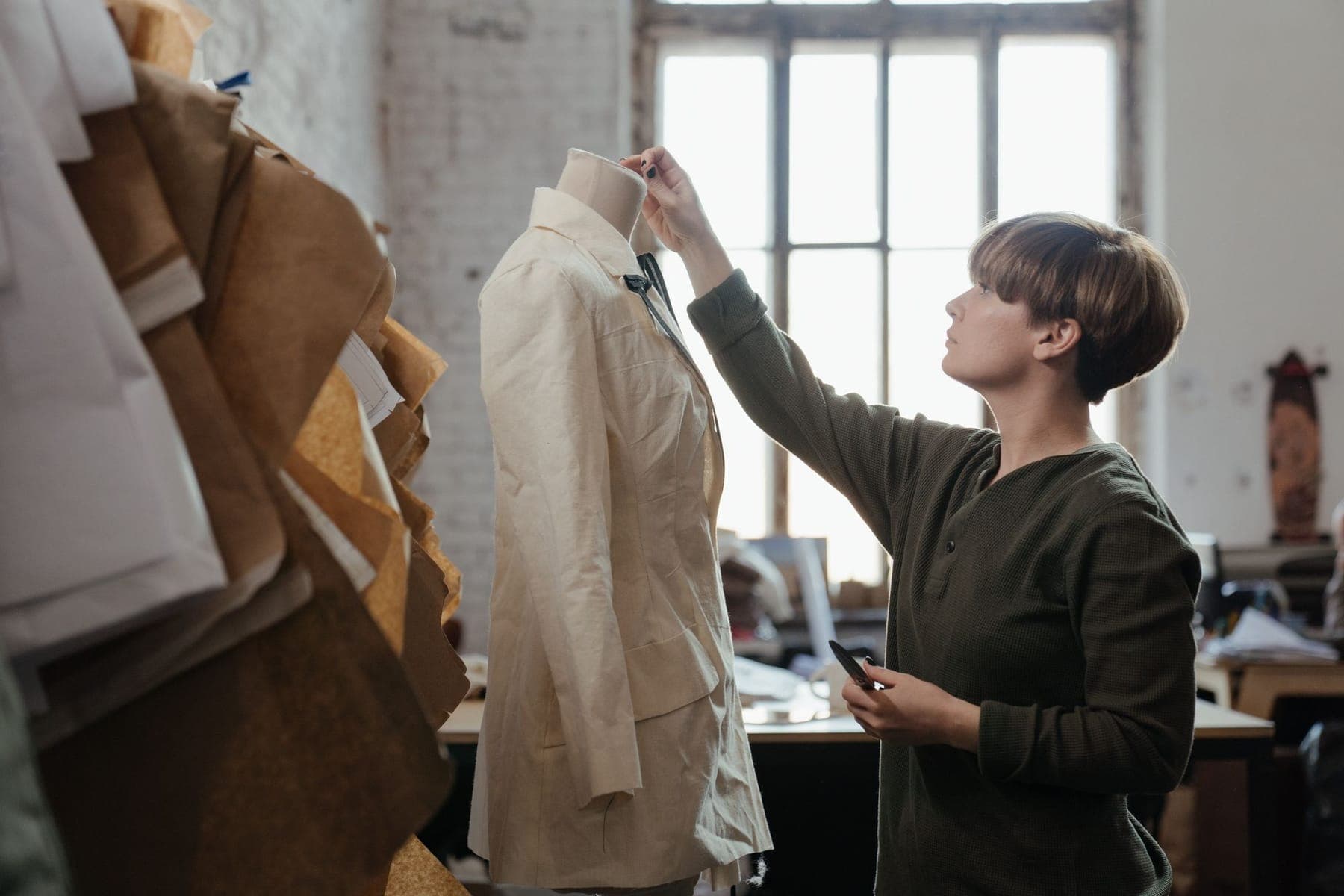
Designers sketch on paper, and paper has no weight. A silhouette that looks right in a drawing can collapse in a soft jersey or stand away from the body in a crisp poplin, and you only learn which once a sample exists in the real cloth. Swap a rigid denim for a stretch, or move to a heavier knit, and the pattern changes, the fit comments no longer apply and a sampling round is gone.
Cost moves with it. Fabric is one of the largest parts of what a garment costs to make. A design signed off on a fabric the line can’t afford comes back in a cheaper cloth, and the fit work starts again.
Handle, weight, finish
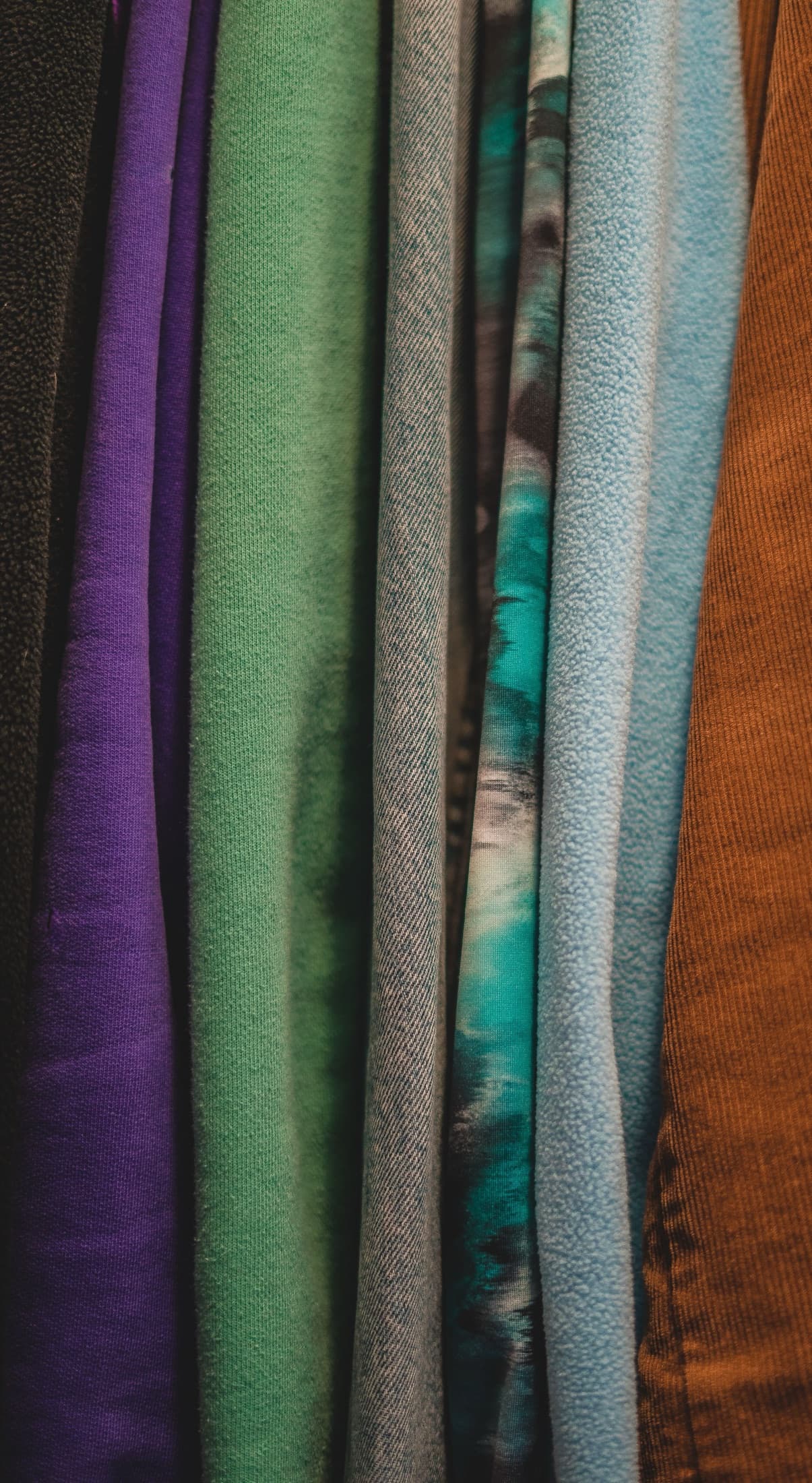
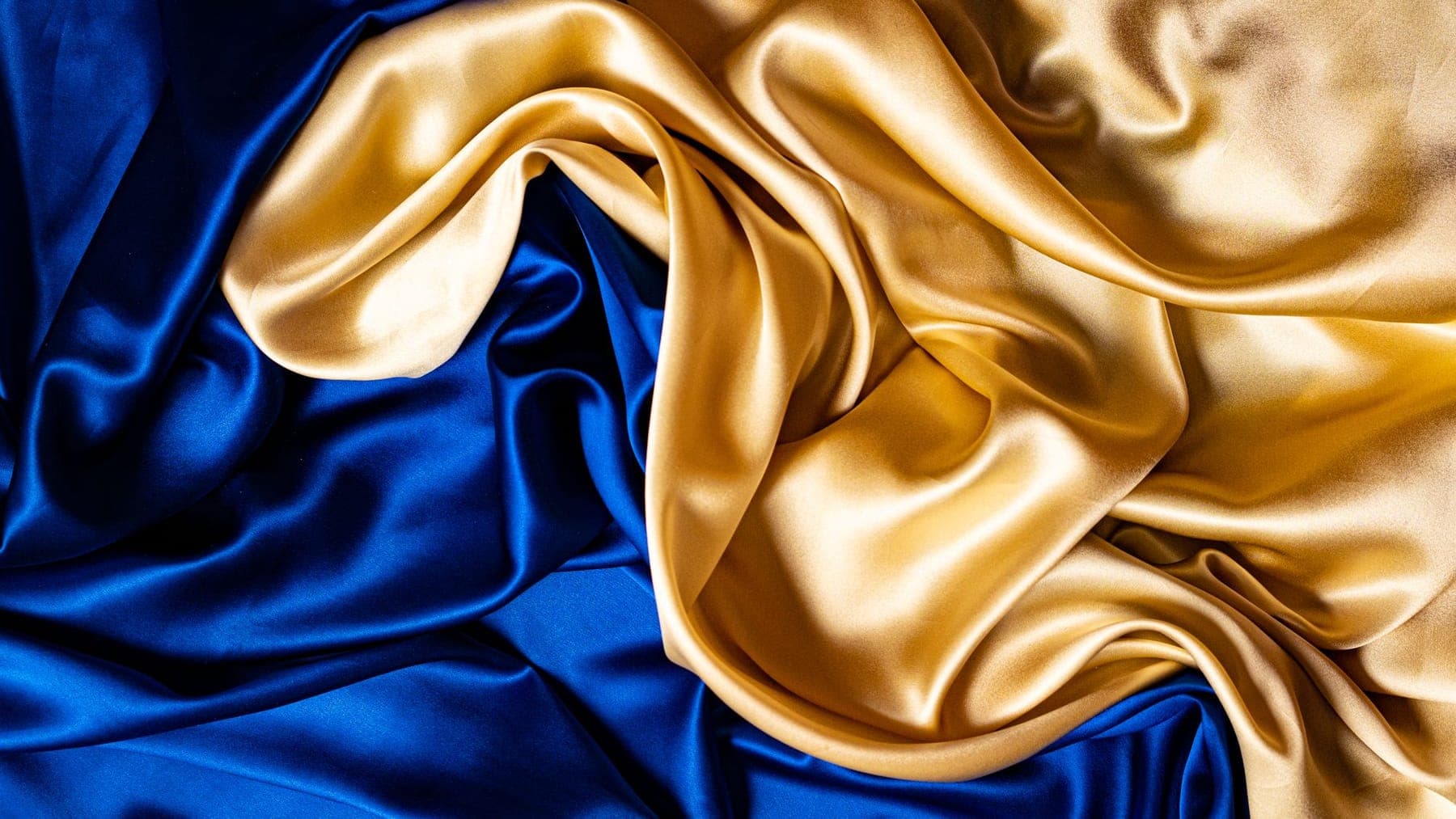
Handle is how a fabric feels and moves. It is hard to describe and easy to feel, and an experienced team passes a swatch around before reading a spec. Weight is given in grams per square meter, or in ounces for denim, and it says something about drape, season and cost, though two fabrics of the same weight can behave very differently depending on yarn and construction. Finish is what happens after the fabric is made, such as washing, brushing or coating.
Ask about all three together. If the garment will be washed, ask to see the swatch washed. A header card listing weight and composition says little about how the cloth will wear.
The number nobody asks about
Ask for cuttable width along with the price. A fabric quoted at less per meter can cost more per garment if it is narrower, since the marker uses more of it. Selvedge denim, woven at roughly half the usual width, is the classic example of width driving consumption. A pattern maker can give you the consumption in an afternoon. Compare fabrics on cost per garment.
Who pays for development
Development costs someone money, and it pays to settle who before the first lab dip. Mills front sample yardage, strike-offs and dip rounds in the expectation of an order, and the good ones keep track. Ask what is charged, what gets credited back against bulk and what the minimum sampling run is, which may be far more cloth than a few prototypes need. Ask too whether a fabric developed to your brief stays yours. Without an agreement it can turn up on another brand’s rail next season, and you will have paid to develop it for them.
Available stock or developed fabric?
Stock moves sooner, and you judge the actual cloth before you commit. Quantities are limited and the next roll may not exist, and a stock fabric on a style that takes off leaves you chasing something similar from someone else.
Developed fabric is made to your brief in handle, weight, color or print. It takes longer, it often comes with mill minimums, and you carry more of the risk if the style doesn’t perform.
Start by asking whether the style has to repeat. A one-season fashion piece suits stock well. A core style you expect to run for years shouldn’t rest on a fabric you can’t reorder.
Approve the cloth before the garment
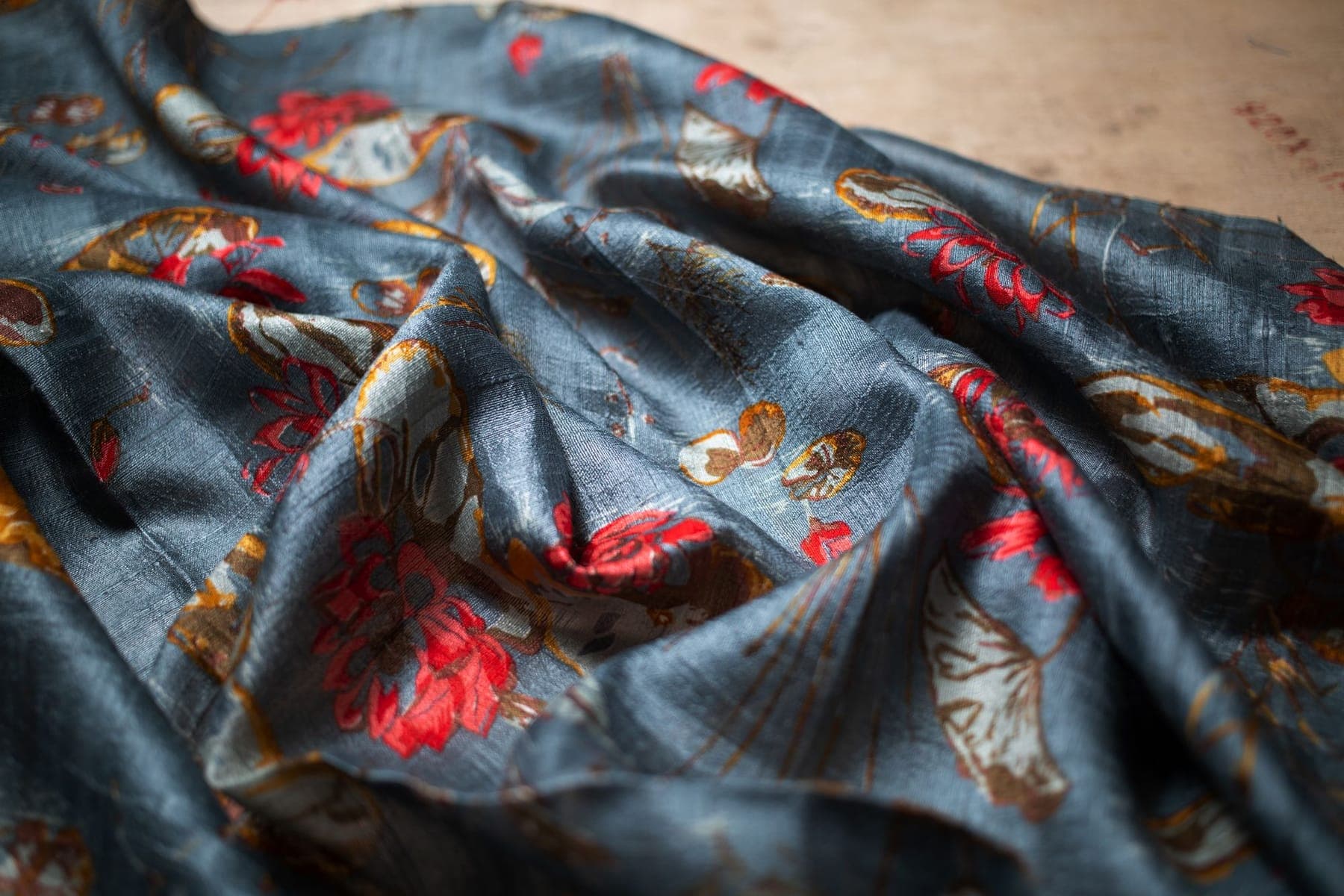
Judge lab dips for solid colors against your color standard in the agreed light booth. Strike-offs do the same job for prints. Check color, scale and placement, since a print that looks right on a screen can overwhelm a size small.
Then test. Shrinkage and colorfastness results show whether the pattern allowances and the care label match how the fabric behaves. Test the bulk lot as well as the sample yardage. What comes off the dye range in production isn’t always what you tested.