In brief
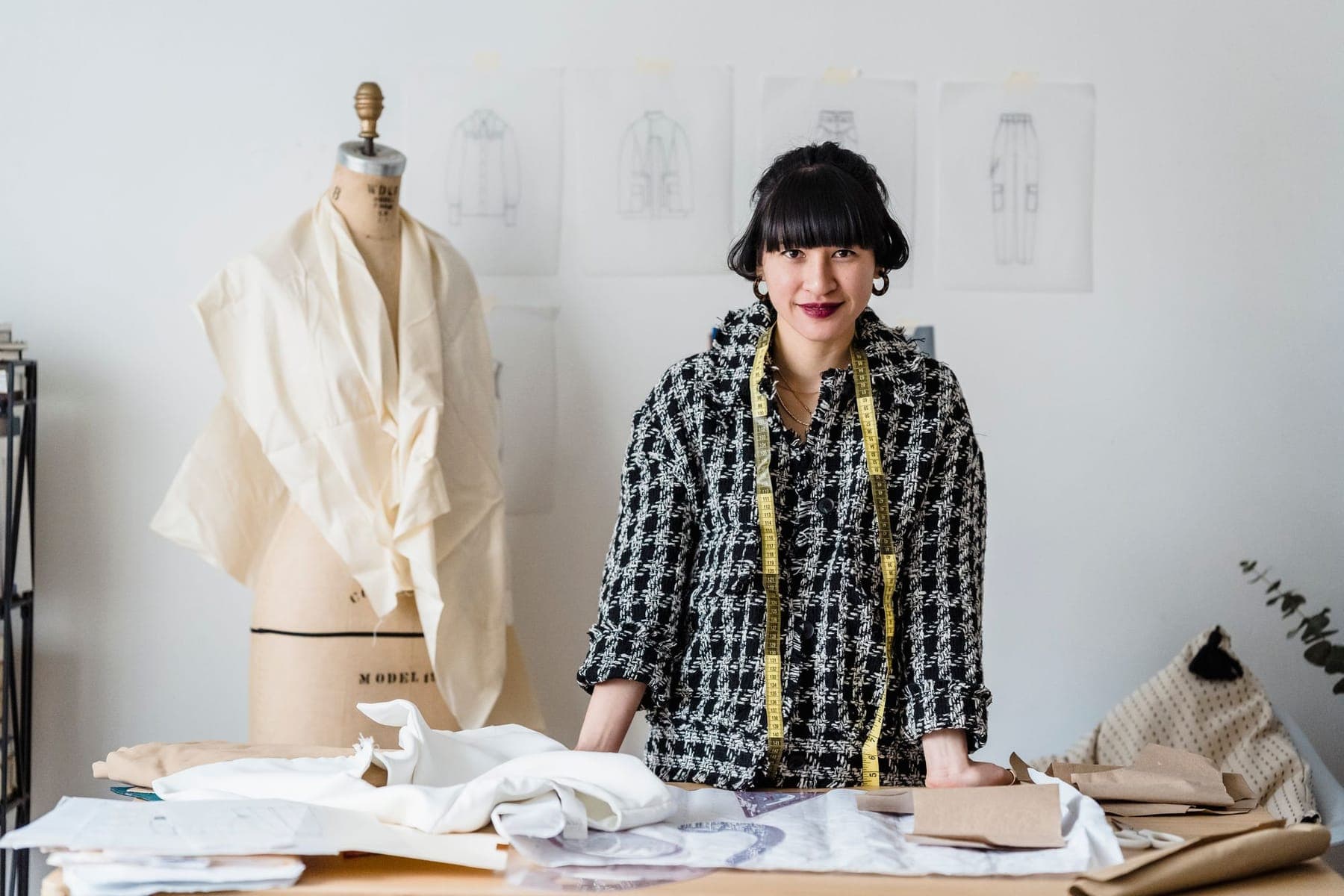
To turn a first collection into a real supply chain, start with a clear brief covering the product, the timeline and the market, then develop fabric and samples before committing to bulk. SBS Fashion works with emerging designers on that path, and offers consulting and brand development for startups and small and medium enterprises launching new product lines.
The step new labels underestimate
A sample made by a talented pattern maker, perhaps someone you know, in fabric bought off a roll in the Garment District, can be wonderful. It proves very little about whether you can make six hundred of them. A design can live on one sample. A product has to come out the same way every time, from people who have never met you, and everything in your head or in that pattern maker’s hands has to move into fabric choices, patterns, specs and approvals a stranger can follow.
What to have in hand
Come ready to say who buys this, where, and for how much. Those answers decide the fabric, the factory and whether the numbers can ever work. Bring an honest estimate of quantity by style, along with the date the collection needs to land and what that date depends on. A date tied to a buyer’s delivery window is very different from one you picked yourself.
Bring your sketches, with reference garments and swatches, which can say more. A tech pack helps if you have one.
Choose fabric while it can change your mind
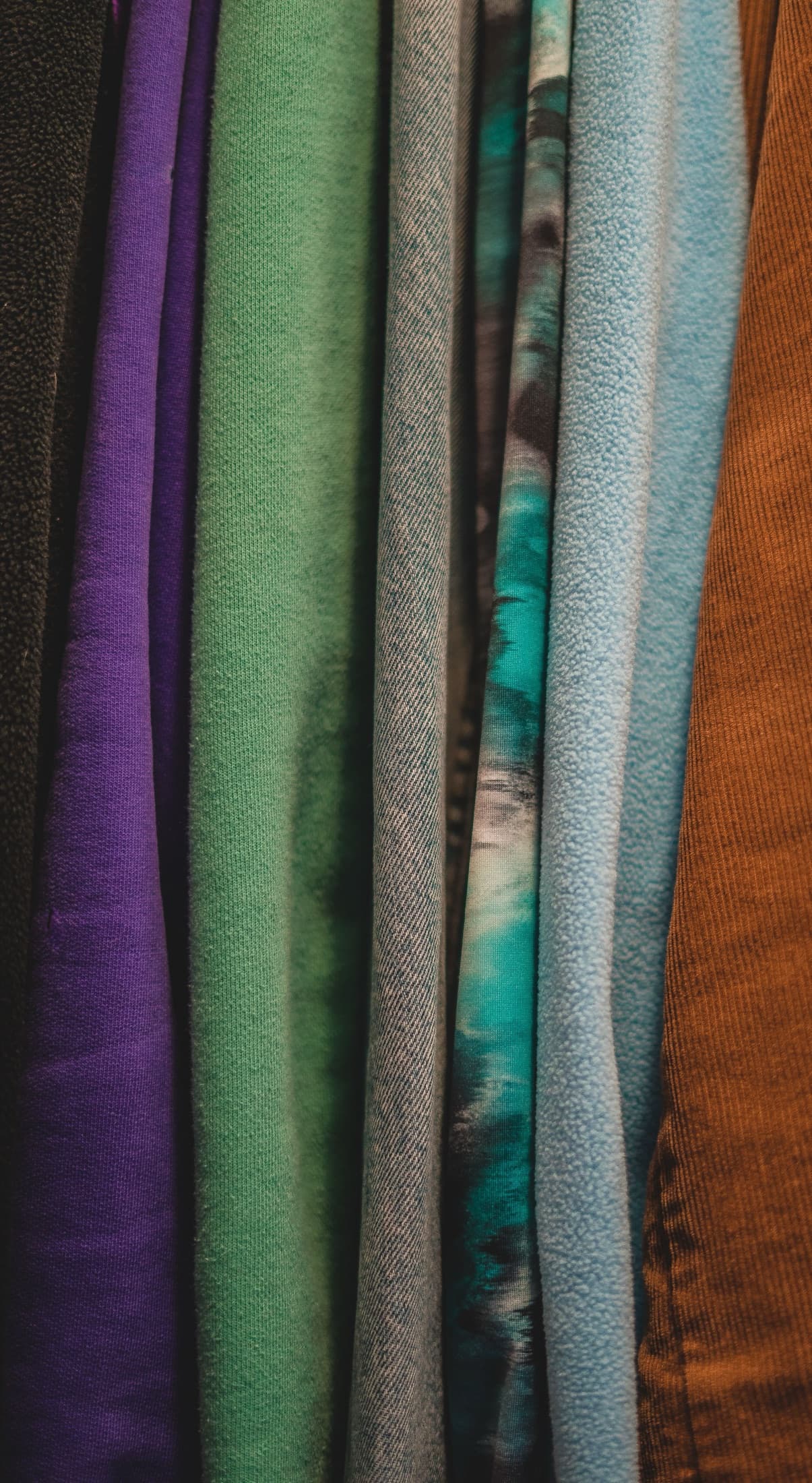
Many new designers finish the designs and then go looking for a fabric that matches the picture at a price and a minimum they can live with. Starting from the fabric gets you a better collection and a quicker one.
Expect more than one sample
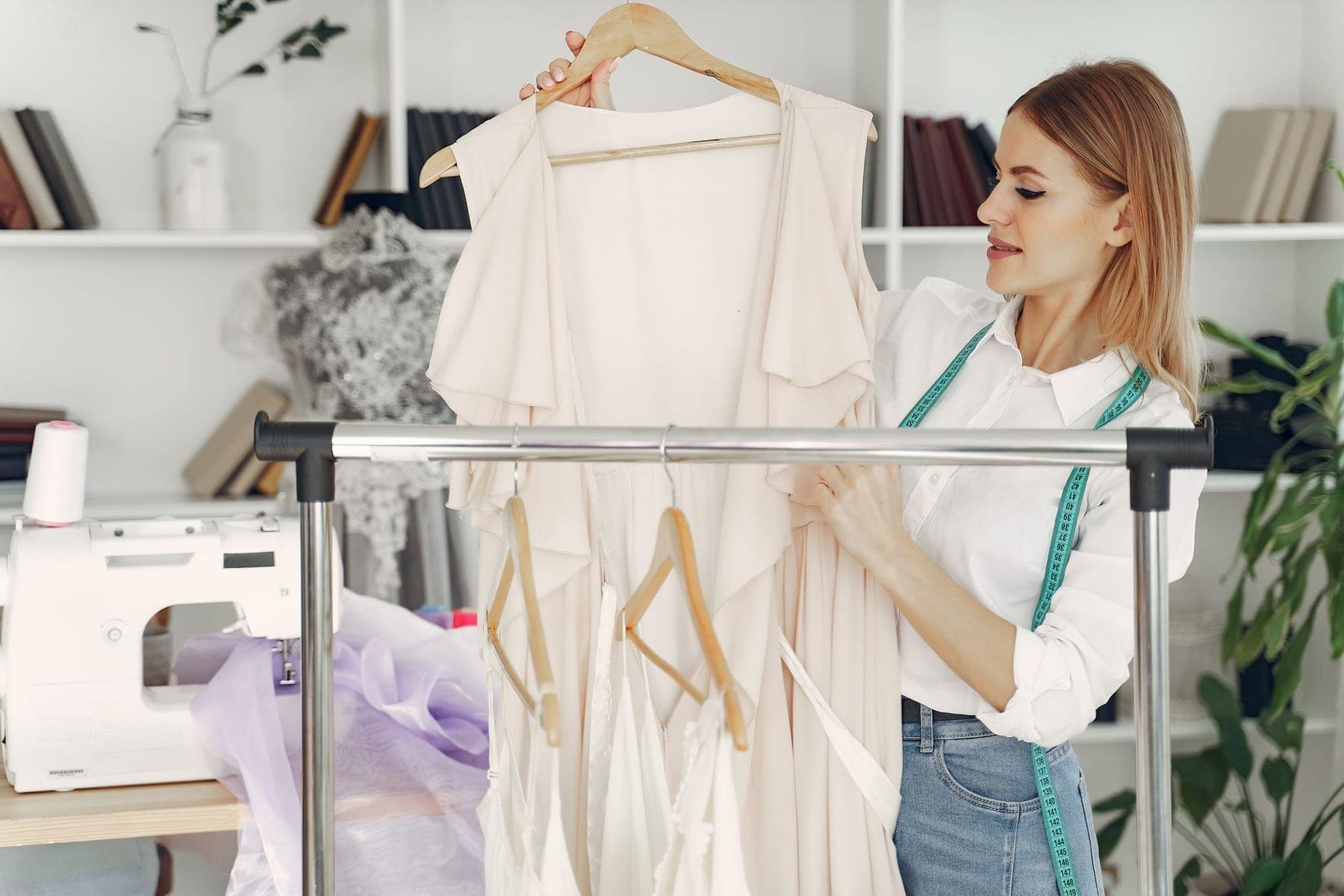
First samples are rarely right, and that is normal. Put more than one round into your calendar and your budget, and don’t show buyers something you haven’t yet fitted on a body. A showroom sample that can’t be produced at the price commits you to an order you will lose money on. There is more in how sampling works.
Minimums
Minimums are set by mills and factories, and they vary with the fabric, the category and the construction. We have written about how they work and how many styles a first collection can carry.
Wholesale or direct
Decide early how you are selling, because it changes the whole plan. Wholesale gives you orders before you produce, which means a great deal to a label short of cash, and it ties you to delivery windows, routing guides, chargebacks and payment terms set by the store. Direct keeps the margin and the calendar in your hands, and it leaves you holding the inventory risk on every unit and paying for every customer. A label that plans for both from the first season has to cost for both, ship to both and forecast both, with a team of perhaps three.
What the first budget leaves out
Samples cost several times what the same garment will cost in bulk, and you pay for them whether or not the style makes the line. Then come pattern making and grading, test reports, labels and packaging, courier fees on every sample round, duty, insurance, photography and a website or showroom to show it all in. Add a reserve for the first delivery going wrong. Most first budgets cover the fabric and the sewing.
The cash curve
New labels budget for what production costs and forget when they have to pay for it.
Fabric and deposits go out months before any garment ships, samples and freight get paid for along the way, and a wholesale account may pay well after delivery. Map that out month by month before you commit, including what happens if the first delivery is late. A label can be profitable on paper and still run out of money between the fabric deposit and the first payment from a store.