In brief
Türkiye, Vietnam and China each suit different apparel programs. Broadly, Türkiye is often chosen for denim, knits and a shorter supply line, Vietnam for cut-and-sew at scale, sportswear and outerwear, and China for the widest base of materials and trims, with duty exposure and traceability weighing on every decision. SBS Fashion has offices in all three countries.
Start with the garment
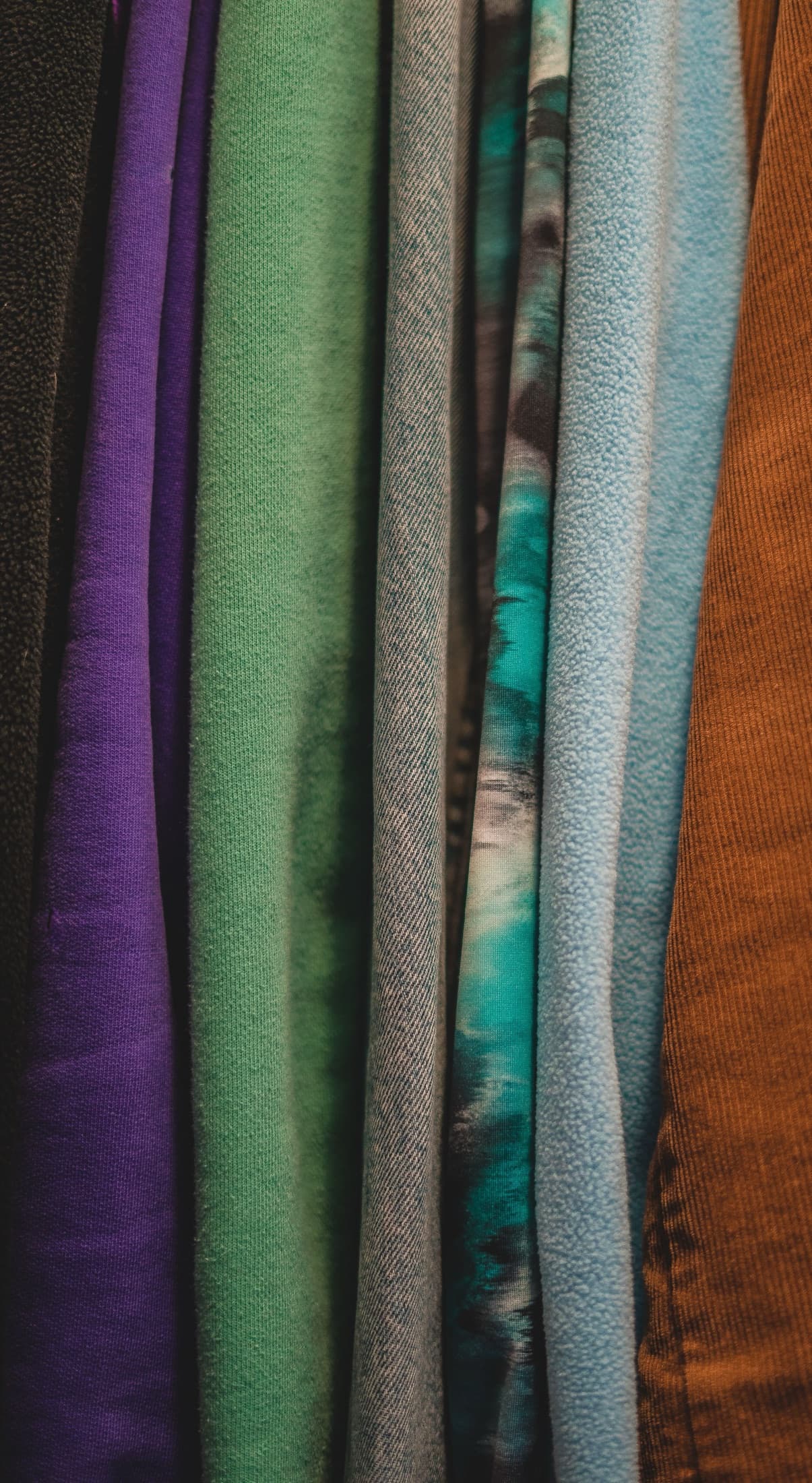
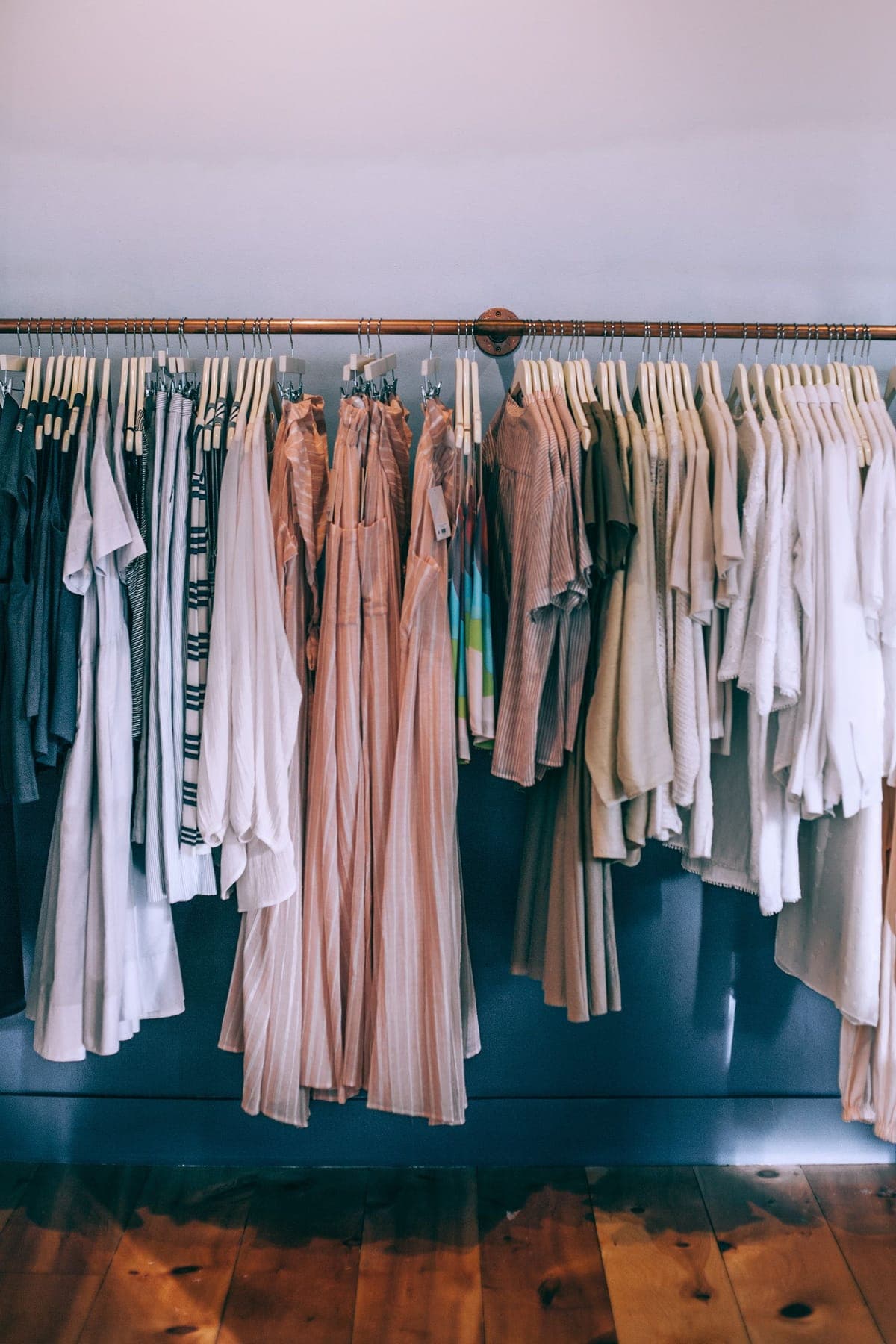
Too many sourcing conversations open with a country, generally the one the CEO has just read about. Open with the garment: its fabric, its construction, the quantities you need and how quickly you have to react to sell-through. The list of countries gets short by itself.
What follows is a generalization. Individual factories break these patterns all the time, in both directions.
Türkiye
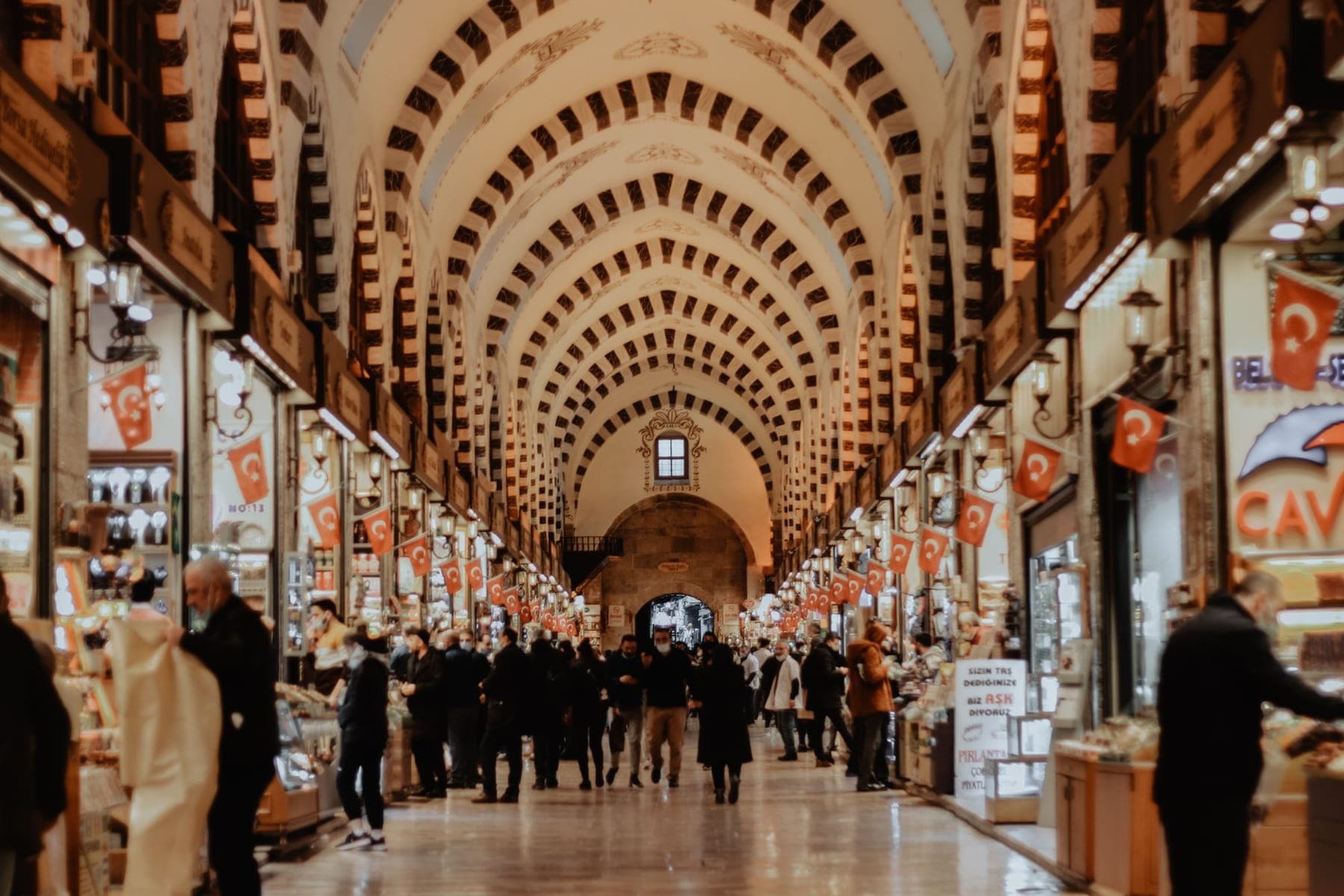
The case rests on an integrated textile base and on distance. Yarn, fabric, dyeing, washing and sewing sit within reach of one another, which makes the country strong in denim and knitwear and useful when you want to develop fabric and garment together. Europe has long been its natural market. The shorter supply line to the US East Coast, compared with Asia, matters when you want to chase a style that is working.
Labor isn’t cheap, and very price-led basics are a difficult fit. The best Turkish programs are those where fashion content, fabric quality or speed pays for the difference.
Vietnam
Vietnam has become one of the world’s largest garment exporters, with deep experience of cut-and-sew at scale and a strong record in sportswear, outerwear and technical construction. Materials are the catch. Vietnam imports much of its fabric, a good deal of it from China, and the calendar and sometimes the origin paperwork depend on a supply line that starts somewhere else. Well-regarded factories fill early. Plan capacity before you plan your price negotiation.
China
No other country has China’s breadth in materials and trims, or its range of factory capability, from simple basics to highly technical garments. If a design calls for a particular zip, an unusual coating or a novel yarn, somebody in China is probably already making it.
For American importers the complication is policy. Section 301 duties reached Chinese apparel in 2019. The Uyghur Forced Labor Prevention Act, in force since June 2022, presumes that goods made wholly or partly in Xinjiang are barred from entry unless the importer can prove otherwise. That law follows the cotton, so a shirt sewn in Vietnam from fabric containing Xinjiang cotton is caught just as one sewn in Shanghai would be. Neither issue rules China out. Both have to be priced and documented from the start.
Duty, traceability, concentration
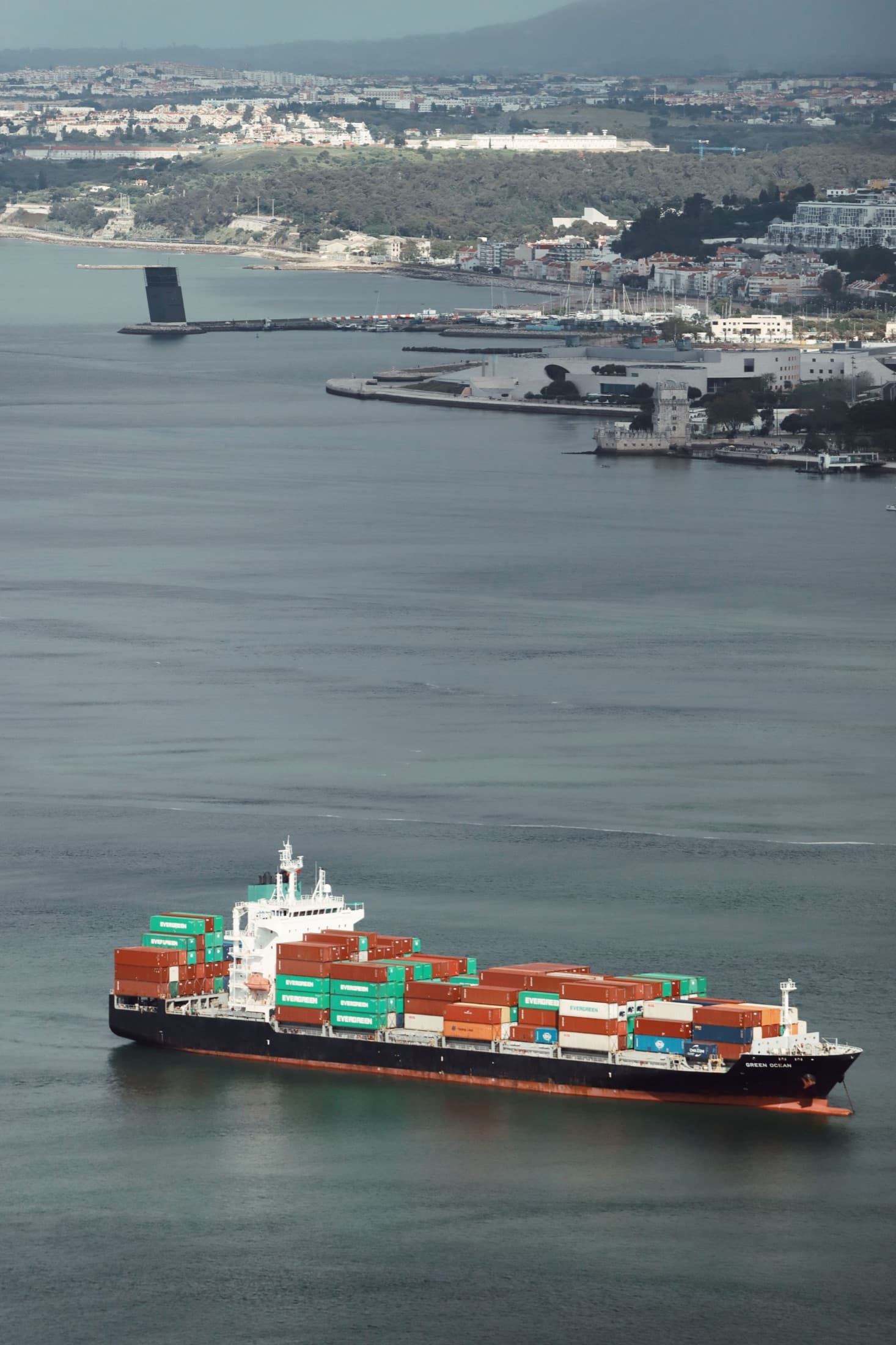
Duty first. Rates and trade measures have been changing faster than development calendars, and the 2025 tariff rounds reached almost every sourcing country before their legal basis changed again in 2026. Get the current number for the specific classification and origin from your customs broker while you are still costing, then look at the whole landed cost.
Then traceability. If your program might have to show where its fiber came from, ask for mill and fiber documentation from the start. Assembling it afterward is far harder.
And concentration. Brands with everything in one country learned what that costs in 2019, in 2020 and again in 2025. Even a small second base gives you somewhere to go and a more honest price comparison. Running two countries has its own cost, mostly in management attention, and it suits brands with enough volume to split.
Go and look
A desk comparison gets you to a shortlist of two or three factories. Then someone from your team should walk them. Look at the garments on the line as well as the ones in the showroom, talk to the person who would run your order, and see whether the building matches the audit report. Go before the first purchase order, while you can still walk away.