In brief
A useful apparel sourcing brief names the category, the handle and the price point, then adds quantities, the timeline and the market. With that, SBS Fashion can match a program to the partner built for it, from a network of 11 named manufacturing and fabric partners.
A good brief gets you refused faster
The most useful thing a sourcing brief can do is disqualify people. Send a mill or manufacturer something vague and you get a polite yes, a sample that misses and a quote built on assumptions nobody has written down. Three rounds later, you learn the factory’s minimum was never going to work. A specific brief gets you that no on the first day.
We ask for three things first: the category, the handle and the price point.
Category, handle, price
Be narrower on category than feels natural. Knitwear covers a great deal of ground. Men’s flat-knit sweaters covers far less.
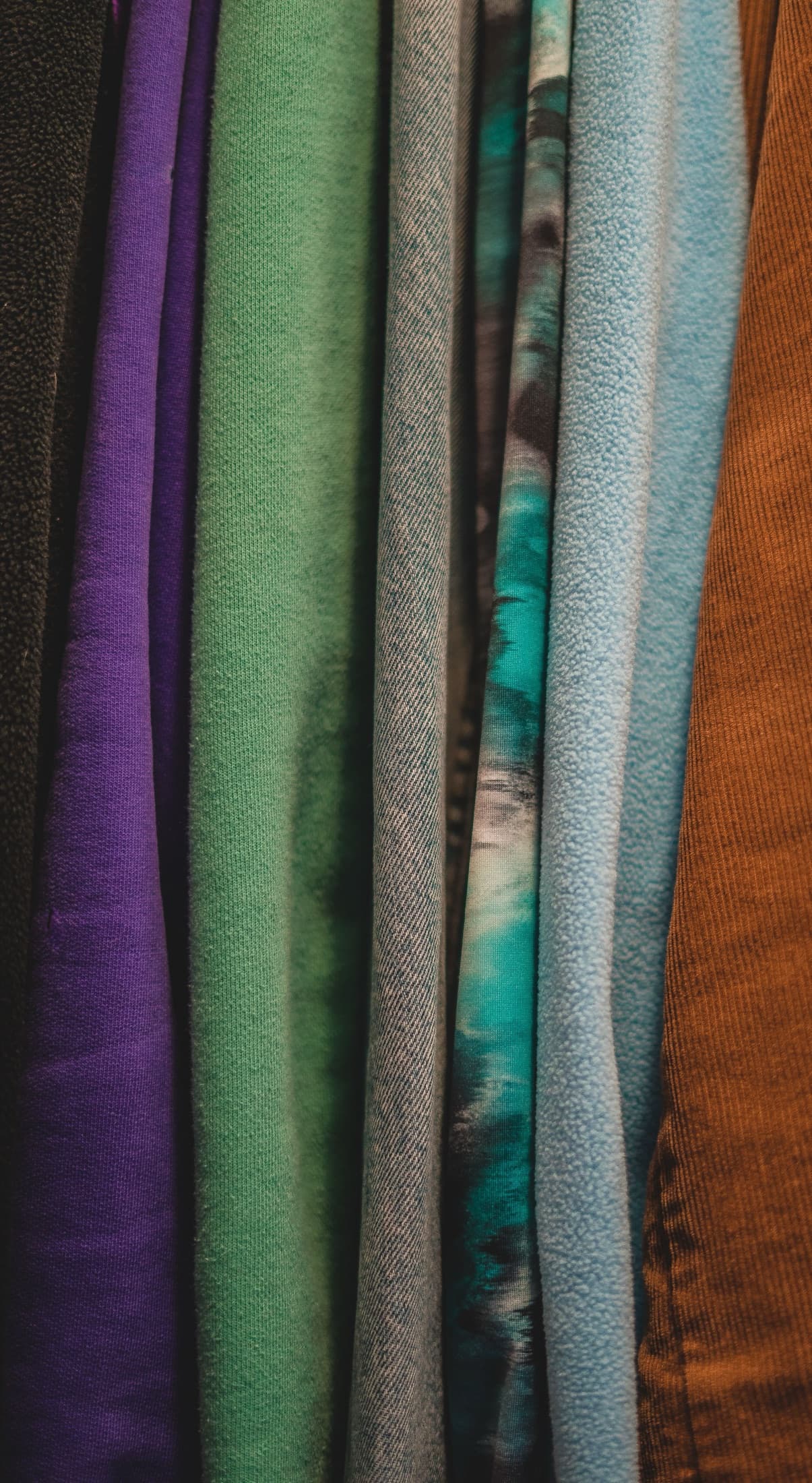
Handle is harder, because the vocabulary fails. One person’s dry is another’s crisp. Send a swatch or a reference garment, even a competitor’s, and write on the tag what you like about it. A mill can work from a swatch. It can’t work from an adjective.
Then the price point, with a real number. Brands hold this back hoping for a better quote. The partner guesses, the fabric gets specified at the wrong level, and the sample your team loves costs a third more than the line can carry. State the target retail or the target cost, say which, and say on what terms. A first cost and a landed cost are very different numbers.
Scale, timing and the customer

Give quantities per style and per color, even as a range. Minimums bite at the color level, and a total across eight colors tells a partner very little. Give the date goods have to land and work back from it. That exercise alone will show whether the brief is possible.
Say who the customer is and where the line will sell. The same garment for premium specialty retail and for a department store program carries different expectations on finish, packaging, compliance and chargebacks. If the program needs certified materials or factories, say so on the first day. It narrows the field considerably.
An example
This one is invented, and it fits in an email.
- Men’s flat-knit sweaters, four styles, crew and quarter-zip.
- Soft and mid-weight with a premium hand. Reference garment attached, with notes on what to keep.
- Target retail $168, target landed cost $38.
- Around 400 units per color, three colors per style.
- In store February 15, with goods landed by January 20.
- Premium specialty retail in the United States.
Send it to fewer people
A brief sent to twenty factories gets twenty polite answers and no commitment. A factory can tell when it is one of twenty. The quote comes back fast and padded, and the sample room puts your style behind the customers it knows. Pick three or four who make the category every day, tell them they are on a short list, tell them when you will decide, and then decide on that date. Answer the ones you turn down, with a reason if you can give one. The factory that lost this program on price may be the one you need in two seasons, when the volume has grown or the fabric has changed.
What can wait
Final colorways, the full size range and packaging details can follow. Separate what is fixed from what is open. Tell a partner which parts you would give up, and you may get a better fabric or a simpler construction in return.