In brief
Apparel sampling turns a design into a garment a factory can reproduce. A style typically moves from prototype through fit samples and revisions to an approved sample, which becomes the reference for bulk. At SBS Fashion, patterns, fittings, revisions and approvals run as one program across merchandise categories.
The usual sequence
Names vary from brand to brand, and not every style needs every step. A common sequence starts with a prototype, made to test the idea and the pattern, often in a substitute fabric. Fit samples follow in the intended fabric or something close, tried on a fit model or form, with comments going back to the pattern. A size set checks the grading across the range. Sales samples are made for line reviews and showrooms when a brand sells before it produces.
The pre-production sample, made with bulk fabric and trims, is the last check before cutting. A top of production sample is pulled from the first bulk pieces to confirm the line matches what you approved. The order of the middle steps varies.
The size set is the step most often skipped, to save time. The bill arrives later as returns on the XXL.
How to get through fewer rounds
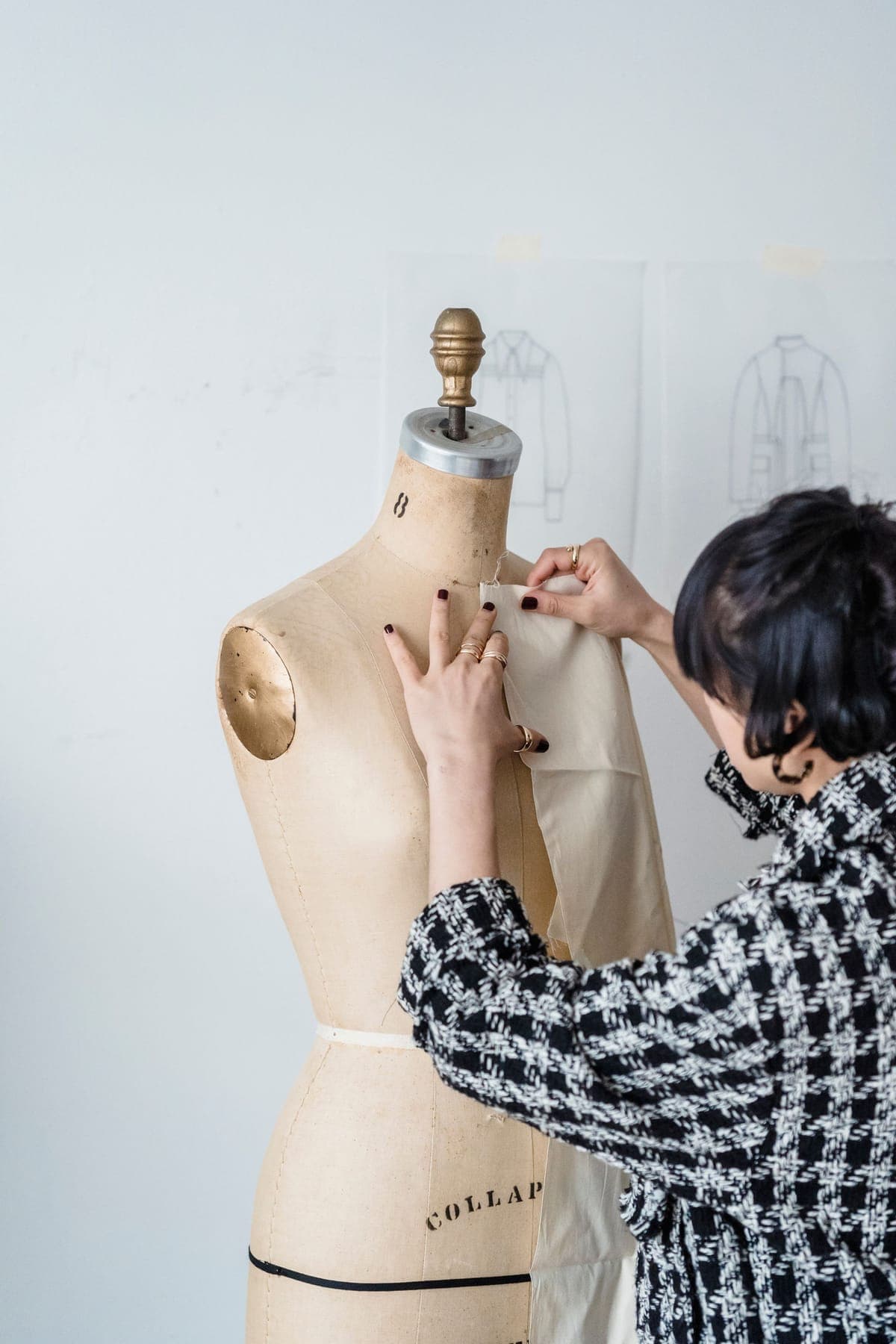
How many rounds a style takes depends as much on how a brand runs its fittings as on the sample room.
Write comments that can be acted on. “Reduce the chest by 2 cm” gives a pattern maker an instruction. “Feels a bit big” gives them a puzzle, and they will solve it differently from you. Fit on the same model each round, since a change of body makes the earlier notes meaningless. Get into the real fabric as early as you can. A fit signed off in a substitute has to be repeated once the real cloth arrives.
Decide who has the last word before anyone walks into the room. A fitting with four opinions produces comments that contradict each other, and a sample room will try to satisfy all of them. Keep dated photographs and notes for each revision. Plenty of bulk orders have gone wrong with the factory working from version three and the brand thinking of version five.
Your block is an asset
An established brand’s fit lives in its blocks, the base patterns every style grows from. Customers come back because a size 32 fits the way it fit last year, and they neither know nor care that a block made that possible. Keep your master patterns under your own control, record every change and the reason for it, and resist the fit comment that solves one style by moving the whole line.
New labels should settle their base fit early, on a body that resembles the customer. The person who happens to work in the office is the wrong body.
What approval means
Plenty of samples get approved because the season ran out, and the factory will copy those just as faithfully.
Be precise about what you have approved: the sample itself, the spec revision, the fabric, the color, the trims and the wash. If one of those is still open, say so in writing on the approval. Mark the sample, sign it, date it, and make sure each side keeps one. It is what finished goods get inspected against.
Fabric changes after the first fitting, trims and labels that show up after the sample does, comments scattered across email threads, approvals waiting on someone who is traveling: the usual delays sit at least partly on the brand’s side, and that is where to start fixing them. A clear tech pack deals with some of them before the first sample exists.