In brief
Flat knitwear is knitted to shape on flat-bed machines, so it is specified by yarn, gauge and weight and costed largely on yarn used and machine time, unlike cut-and-sew, which starts from a roll of fabric. Choose yarn early and measure garments relaxed after washing. SBS Fashion’s partner Modega, established in 1989 and based in Istanbul, produces high-quality flat knitwear for European and American markets.
There is no fabric to cut
A woven shirt starts with a roll of fabric somebody else made. A flat-knit sweater starts with a cone of yarn, and its panels come off the machine already shaped, or close to it. The factory is making the fabric and the garment together, and decisions you would normally take with a mill are now being taken with the knitter.
Gauge and yarn come first
Gauge is the number of needles per inch on the machine. A 3-gauge chunky and a 14-gauge fine merino are barely the same product. They run on different machines, often in different factories, with different yarns and at very different prices. Ask a factory which gauges it runs before you send a tech pack. A beautiful idea in an unusual gauge may cut your list of candidates to one or two.
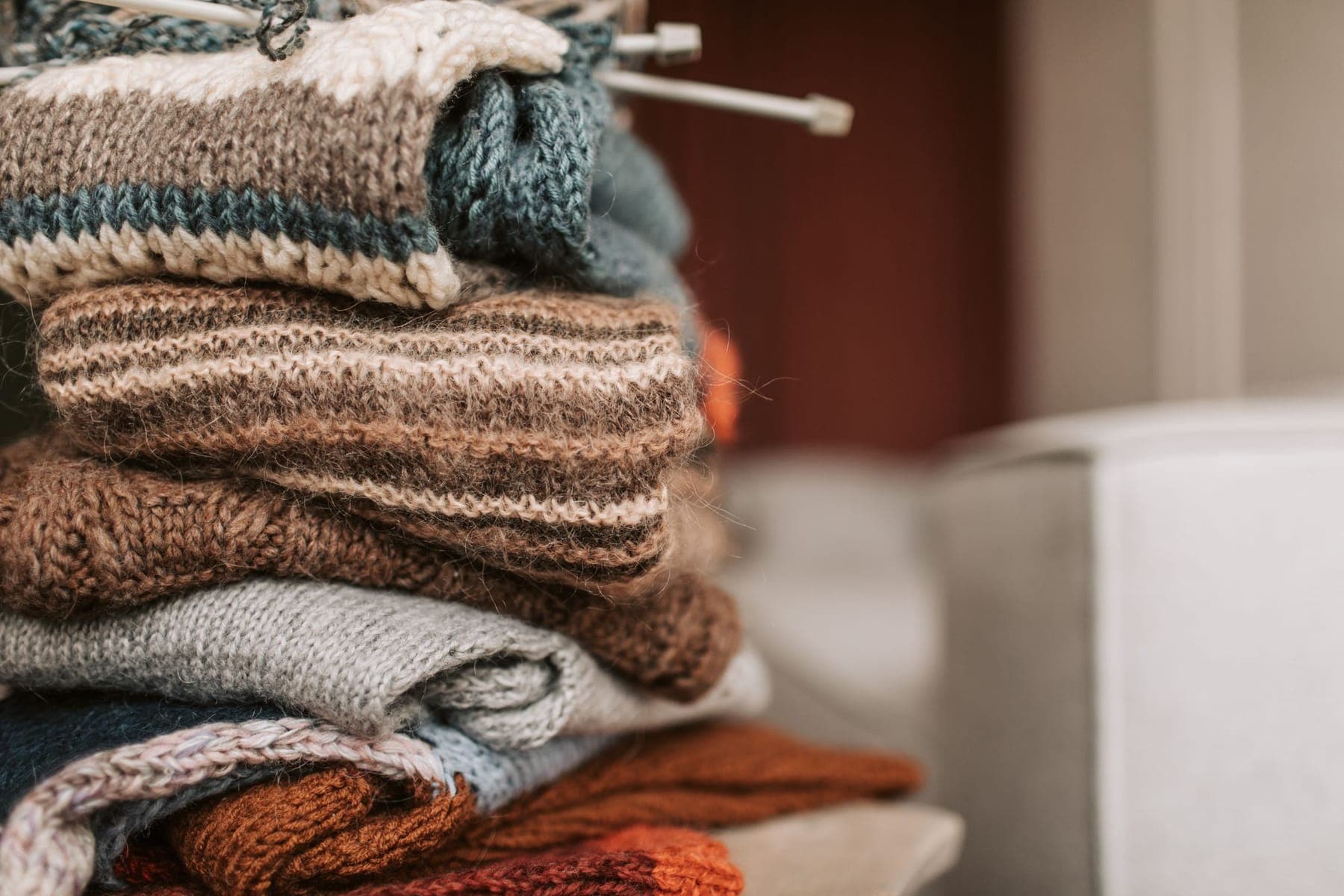
Yarn is where hand and cost get decided. Composition, count and twist all bear on the result, and so does the spinner. Yarn has its own lead time and minimums as well, especially for colors dyed to order. Knit a swatch, wash it the way the garment will be washed and handle it again. Most knitwear is washed at the end to relax and soften it, and the hand of a raw swatch will mislead you.
Test for pilling before you commit. Soft, loosely spun fibers feel wonderful in a showroom and pill badly after a few wears.
Sampling a sweater
Knit samples need programming time, and a programmer’s first attempt will probably need adjusting, so early rounds run longer than newcomers expect. Words like rib and jersey don’t tell a knitter the stitch density you have in mind. Specify stitches with a physical swatch, and have the tension recorded on anything you approve. That record is how the factory reproduces it.
Measure a knit relaxed, on a flat table, after it has rested following the wash. Stretch it while you measure and you will get the number you wanted, and the customer will get something else. Knit tolerances have to be more generous than woven ones.
How a sweater gets costed
Cut-and-sew costing starts from fabric consumption. A knit is costed largely on how much yarn goes into it and how long it takes to make, counting machine time and handwork such as linking, trimming, washing and pressing. A heavier weight or a more complex stitch raises cost in ways that surprise teams used to wovens.
Weigh the sample.
It is the simplest check in the business, and the bulk should match it. When a sweater has to come down in price, start by taking a little weight out of the body.
Where sweaters fail
Sweaters rarely disappoint in a sample review. They disappoint on a hanger in week six. Necks stretch from being pulled over heads, shoulders grow when a knit hangs, which is why so many stores fold them, and seams open where the linking was rushed. Wear the sample for a week, wash it according to the care label and look at it again.
Some knits are cut and sewn from knitted panels instead of being knitted to shape. That can be cheaper at certain gauges and shapes, but it wastes yarn and leaves a bulkier seam, and customers at the premium end notice.