In brief
Denim development depends on the fabric, the pattern and the wash working together, because washing changes a jean’s color, hand and measurements. Agree a wash standard, test on bulk fabric lots and measure after washing. SBS Fashion’s named denim partners include Trio Denim in Istanbul and FIRATGROUP International in Izmir, which has in-house washing and garment dyeing.
A jean is finished in the laundry
Most garments leave the sewing line looking more or less as the customer will see them. A pair of jeans leaves as a stiff, oversized, dark version of itself and goes into a laundry, where it shrinks, softens, fades and takes on its character. Development has to be organized around that last stage.
Choose the fabric for the wash you want
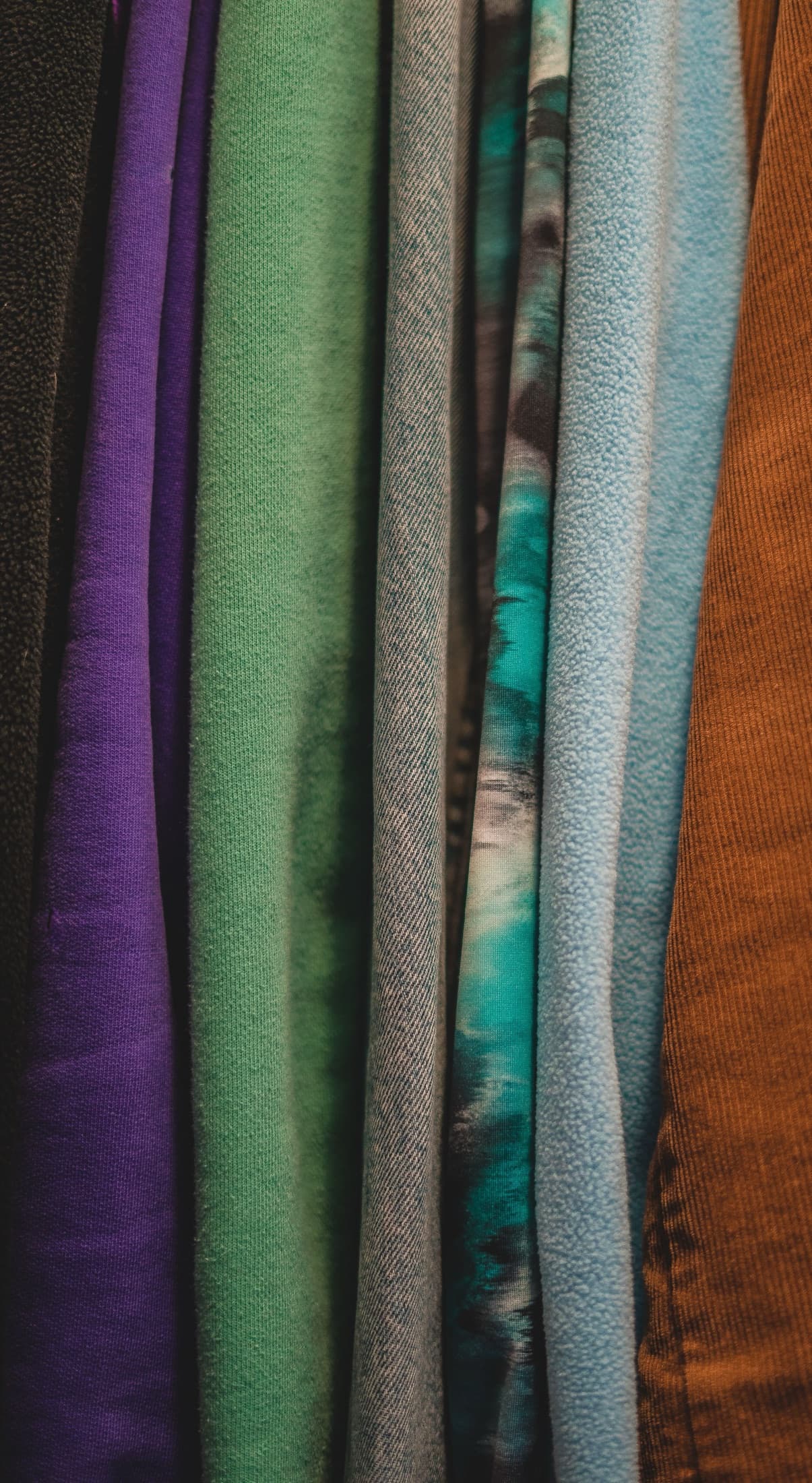
Start from the finished result and work back. Weight, quoted in ounces, tells part of the story. Yarn, twill, indigo depth and the amount of stretch fiber tell the rest. A ring-spun fabric and an open-end fabric of the same weight wash down differently, and a high-stretch fabric has limits on how hard it can be treated before recovery suffers.
Test recovery on the fabric and again after the wash. Stretch that looks fine on the roll can bag at the knee once the laundry has done its work. Denim is also prone to leg twist, and if a fabric is going to twist, the wash is where it shows.
Pattern allowances are a bet on the laundry
Denim shrinks in the wash, and the pattern gets cut larger than the finished measurements to allow for it. That allowance has to come from test results on that fabric in that wash. Shrinkage differs in length and width, and it changes between fabric lots.
Run a test wash on panels from the actual lot before you cut. Change the wash or the lot and the fit moves with it, with nothing different on the sewing line. Teams have spent weeks chasing a pattern problem that was a fabric lot all along.
Hold the standard
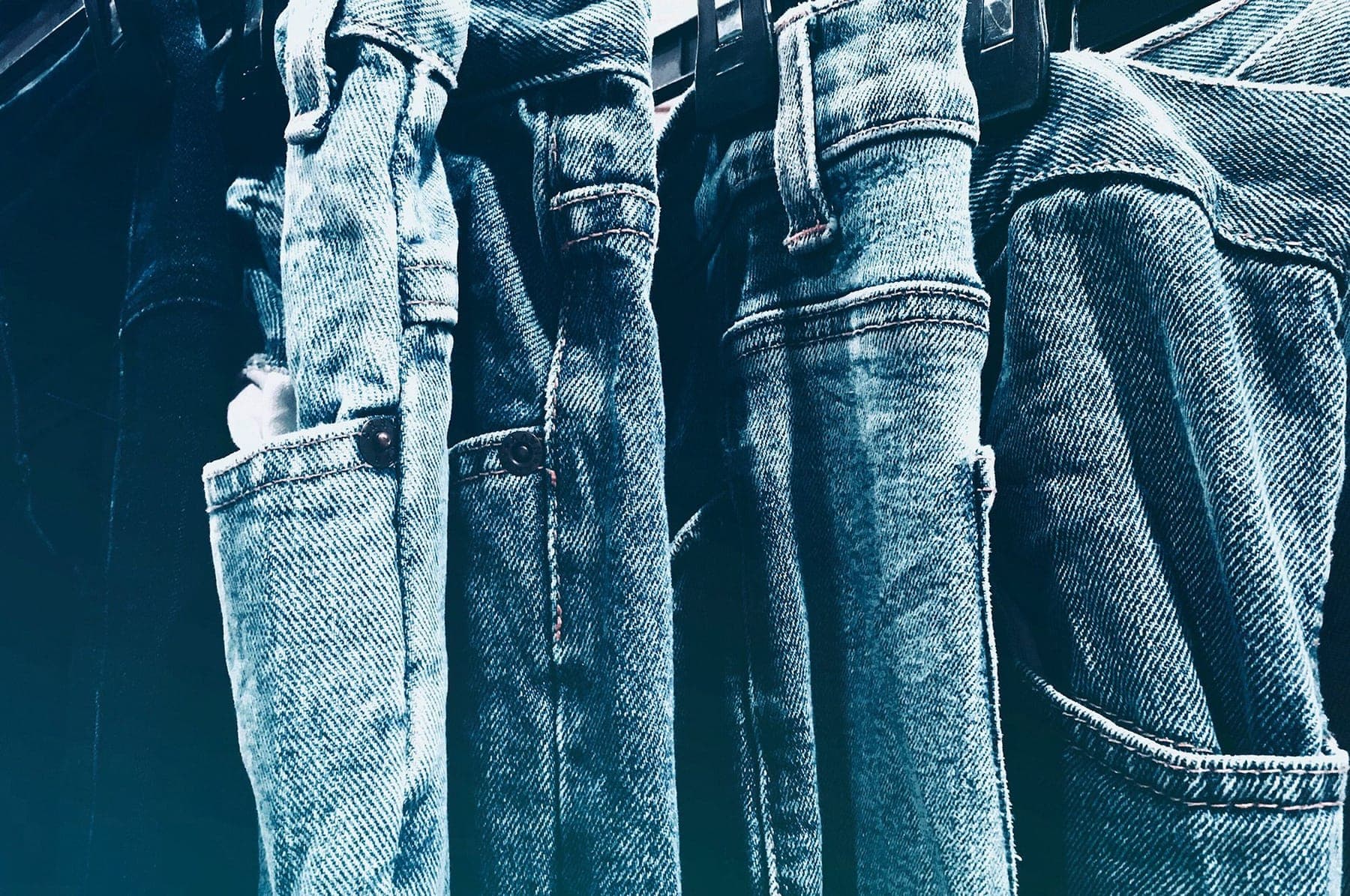
Get a physical wash standard signed and kept at the laundry, with a range around it showing the lightest and darkest you will accept. Customers forgive some variation in denim. Retail buyers forgive less. Indigo varies between dye lots, and a well-run factory sorts rolls into shade groups and keeps them apart at cutting. Panels of different shades in one garment are hard to hide.
A wash approved on a sample machine has not yet been approved. Laundries work in loads, and bulk behaves differently. Have the first bulk lot washed and approved before the rest go in, and measure after washing, on goods from that lot.
What the wash costs
Teams routinely underprice the wash. A rinse is one thing. A vintage finish can involve hand sanding, whiskering, tacking, several chemical steps and a resin, each adding labor and another chance of rejects, and the garment is at its most expensive when it goes into the machine, with all the fabric and sewing cost already in it. A wash that comes out too dark can go back in. One that comes out too light mostly can’t.
A wash approved on a sample machine has not yet been approved.
Ask for the wash to be costed as its own line, and ask what rejection rate the laundry builds in. Laser and ozone finishing have taken over some of this work with less water and chemistry, although what is available varies from one laundry to the next.
In-house or out
Some denim manufacturers keep the laundry under their own roof, and others send garments out. Each trip out of the building adds transport, a queue and a handoff, and when there is a problem it adds two companies with good reasons to blame each other. Ask about chemistry and water as well. Some of your customers will.